
Key Takeaways:
- PMHNPs play a crucial role in addressing the shortage of mental health providers.
- They offer comprehensive care, including diagnosis, treatment, and patient education.
- PMHNPs collaborate with interdisciplinary teams to enhance patient outcomes.
- They are instrumental in expanding access to mental health services in underserved areas.
- PMHNPs utilize telehealth and other technologies to improve care delivery.
The Role of Psychiatric-Mental Health Nurse Practitioners
As mental health needs rise across the country, Psychiatric-Mental Health Nurse Practitioners (PMHNPs) have become vital providers in the healthcare landscape. These advanced practice nurses bring their expertise to a variety of settings, from hospitals to community clinics, ensuring that individuals with psychiatric conditions receive both high-quality care and long-term support. For individuals interested in pursuing this rewarding career, specialized educational pathways, such as PMHNP programs Florida, prepare nurses for advanced mental health roles and leadership.
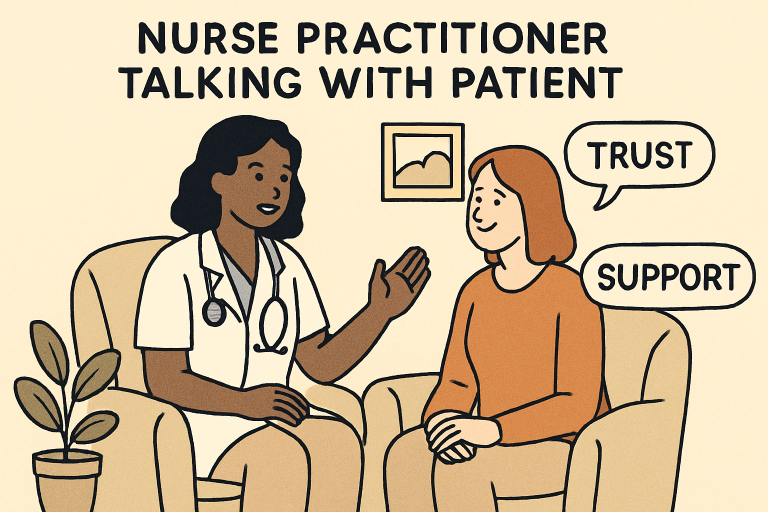
PMHNPs are equipped to assess, diagnose, and manage mental health illnesses while emphasizing a holistic approach, which considers physical, emotional, and social factors. Their unique perspective as nurses helps create stronger therapeutic relationships with patients and families alike.
Providing Comprehensive Mental Health Care
The core competency of PMHNPs lies in delivering comprehensive care that includes psychotherapy, medication management, crisis intervention, and ongoing education about mental health. Treatment plans are thoughtfully tailored to individual needs, integrating their medical history, family situation, and personal goals. This holistic approach not only manages symptoms but also empowers patients to participate in their recovery journey.
Patient education is another foundation of PMHNP practice. By educating patients and families on conditions, medications, and coping strategies, they help reduce stigma and promote long-term wellness. Their advanced training enables them to work with diverse populations, including children, adolescents, adults, and older adults.
Collaboration with Interdisciplinary Teams
Effective mental health care is a collaborative effort. PMHNPs often work alongside psychiatrists, primary care physicians, psychologists, occupational therapists, and social workers to coordinate care. This team-based approach ensures that each aspect of a patient’s mental and physical well-being is addressed, improving overall outcomes and continuity of care.
For example, in integrated care models found in some primary care practices and community health centers, PMHNPs serve as a bridge between mental health and general healthcare services. This collaboration is shown to reduce both mental health crises and hospital readmission rates.
Expanding Access to Mental Health Services
A significant barrier to treatment is the ongoing shortage of qualified mental health professionals, especially in rural and underserved communities. PMHNPs close this gap by providing accessible care in locations where psychiatrists may not be available. They serve in a wide range of settings, from private practices to schools and correctional facilities, and often serve as the primary resource for mental health care in these settings.
Education and Training of PMHNPs
Becoming a PMHNP requires a registered nurse to complete a graduate-level program with specialized coursework in psychiatric and mental health care. Aspiring practitioners are trained in pharmacology, assessment, psychotherapeutic techniques, and cultural competency, ensuring they can deliver evidence-based care tailored to diverse and complex populations.
Ongoing professional development through certification renewal and continuing education is essential as the mental health field evolves. Training in the latest therapeutic modalities, medications, and telepsychiatry practices ensures that PMHNPs remain at the forefront of advancing patient care.
Leveraging Technology in Mental Health Care
Telehealth has become an essential tool for modern mental health practitioners. PMHNPs use secure video platforms to consult with patients virtually, expanding their reach to those who cannot easily travel or who prefer to receive support at home. This model of care is especially beneficial for patients in remote or underserved areas and was further validated during the COVID-19 pandemic.
In addition to one-on-one virtual consultations, many PMHNPs participate in digital outreach programs, virtual support groups, and remote medication management, all aimed at increasing treatment adherence and fostering continued engagement in healthcare. Organizations such as the National Institute of Mental Health support expanding telehealth services.
Challenges Faced by PMHNPs
Despite their critical role, PMHNPs continue to face challenges. High caseloads, administrative duties, and the emotional demands of working with individuals experiencing severe and persistent mental illnesses can lead to provider burnout. Additionally, some states have restrictive practice regulations that limit nurse practitioners’ autonomy, potentially affecting access to care.
Addressing these challenges is essential to support the well-being of PMHNPs and ensure that patients continue to receive high-quality care. Professional organizations advocate for policy changes to enhance the practice environment and encourage more nurses to specialize in mental health.
The Future of PMHNPs in Mental Health Care
The increasing demand for comprehensive mental health services demonstrates the vital necessity of PMHNPs in the healthcare system. Their training, adaptability, and patient-focused approach position them as key players in addressing current and future mental health needs nationwide. As mental health awareness grows and healthcare delivery models continue to evolve, PMHNPs are expected to lead innovations in both direct patient care and healthcare policy reform.
Conclusion
Psychiatric-Mental Health Nurse Practitioners (PMHNPs) are crucial for promoting mental wellness through patient-centered care and collaboration with interdisciplinary teams, especially in underserved areas. Their skills in assessment, treatment, and education provide tailored support for mental and physical health. By utilizing telehealth and pursuing ongoing education, PMHNPs effectively address community needs and improve mental health outcomes. As demand for these services grows, PMHNPs play an essential role in enhancing wellness and shaping the future of mental health care.