
Key Takeaways
- Evaluate Finances: Check your credit score and debt-to-income ratio before buying.
- Use Technology: VR tours, AR, and AI searches make property exploration easier.
- Embrace Sustainability: Energy-efficient and smart homes save money and attract modern buyers.
- Adapt to Remote Work: Suburban homes with office space and outdoor areas are in demand.
Before diving into the housing market, it’s essential to evaluate your financial situation. Start by reviewing your credit score, as it directly affects mortgage rates. A higher score often leads to better loan terms. Additionally, calculate your debt-to-income ratio to ensure you can comfortably manage monthly payments. Tools like mortgage calculators can help you gain a clear picture of what you can afford. According to the Department of Financial Protection and Innovation, keeping housing costs below 31–40% of your gross monthly income is recommended.
For buyers seeking expert guidance in navigating these financial considerations, partnering with seasoned professionals such as Houston, TX real estate agents Corcoran Prestige Realty can be invaluable. The team at Corcoran Prestige Realty specializes in luxury and high-end residential properties in Houston and the surrounding areas. With a reputation for in-depth market knowledge, personalized service, and strategic guidance, they are a trusted authority for buyers and sellers looking to make informed decisions in today’s competitive Houston real estate market.
Technological Integration in Home Buying
Technology is revolutionizing the home-buying process. Virtual reality (VR) tours and augmented reality (AR) applications allow potential buyers to explore properties remotely, providing a comprehensive view without physical visits. Additionally, artificial intelligence (AI) is enhancing property searches by offering personalized recommendations based on user preferences. These innovations streamline the buying process, making it more efficient and user-friendly.
Emphasis on Sustainable Living
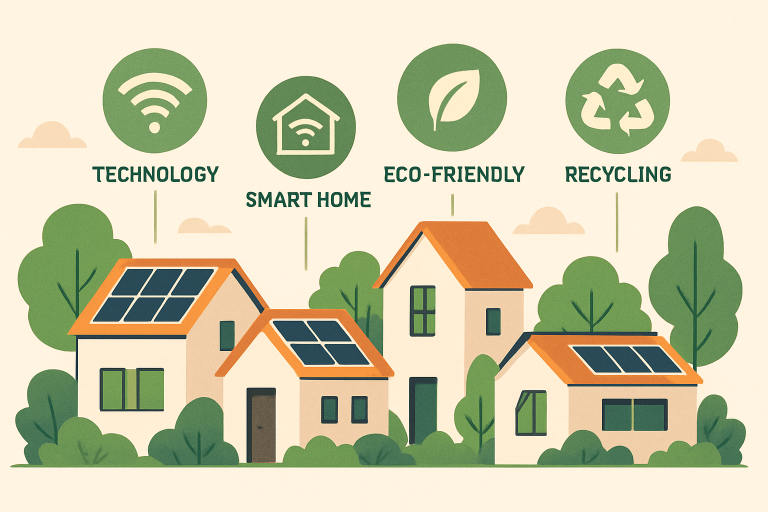
There’s a growing demand for eco-friendly homes that utilize sustainable materials and energy-efficient designs. Smart homes equipped with energy management systems that reduce carbon footprints are becoming increasingly popular. Builders are incorporating green building practices, such as using reclaimed materials, installing solar panels, and creating rainwater harvesting systems. These eco-friendly features not only appeal to environmentally conscious buyers but also result in long-term cost savings. Additionally, sustainable development often includes community gardens, electric vehicle charging stations, and green spaces, contributing to residents’ overall well-being and promoting a sense of community.
Rise of Remote Work and Suburban Living
The rise of remote work, accelerated by the COVID-19 pandemic, has reshaped how people view work-life balance and home locations. Many professionals no longer need to live near their offices, leading to an exodus from dense urban centers to quieter suburban or rural areas. This shift has led to a rise in demand for larger homes with space for home offices, backyards, and a more relaxed pace of life.
Virtual Tours and Real Estate Tech
The COVID-19 pandemic also accelerated the adoption of virtual home tours and other real estate technology. Platforms offering 3D home tours, virtual staging, and augmented reality (AR) are allowing potential buyers to explore properties from the comfort of their own homes. This trend is expected to continue growing, making the home-buying process more accessible and convenient for both buyers and sellers.
Government Regulations and Incentives
Governments around the world are introducing stricter building regulations to raise energy efficiency standards. Additionally, incentives for green buildings, such as tax rebates and subsidies, are encouraging more builders and buyers to choose sustainable options. For instance, many countries are offering grants for solar panel installations, energy-efficient appliances, and even green mortgages. These incentives make it financially viable for developers and homeowners to invest in sustainable practices. Government regulations are pushing for zero-energy buildings, which produce as much energy as they consume. This shift is driving innovation in construction methods and materials, leading to more sustainable and resilient buildings.
Impact of Institutional Investors
Institutional investors are playing a significant role in the housing market. In the first quarter of 2025, investors purchased nearly 27% of homes sold, the highest share in at least five years, up from an average of 18.5% between 2020 and 2023. This trend has sparked debates about housing affordability and availability for traditional buyers. In response, some policymakers are considering measures to limit institutional purchases of single-family homes to ensure more opportunities for individual buyers.
Adoption of PropTech and Digital Transformation
Technology is revolutionizing how real estate operates. AI-powered property searches, like predictive pricing tools, streamline buying decisions. Blockchain enables secure, transparent transactions, reducing fraud risks. Virtual reality (VR) tours and digital closings are becoming standard, saving time and costs. Smart homes are on the rise, featuring energy-efficient appliances, AI-driven automation, and integrated security, which are top priorities for modern homebuyers. PropTech startups are attracting billions in investments to enhance real estate efficiency.
Demographic Shifts and Changing Urban Dynamics
Another important development is the shifting demographics, which are impacting property preferences. Younger generations, like Millennials and Gen Z, are entering the market with new priorities: affordability, flexible spaces, and proximity to amenities. This has prompted developers to design more multi-functional homes and communities with mixed-use features, combining residential spaces with retail, transportation, and green areas. Aging populations are also influencing demand for accessible homes and age-friendly neighborhoods, prompting investment in universal design concepts. Furthermore, multi-generational living arrangements are on the rise, driving demand for homes with flexible floor plans that accommodate diverse family needs.
Affordability Challenges and Innovative Solutions
Affordability remains a pressing concern in many urban and suburban areas. As home prices have outpaced wage growth, buyers are seeking innovative paths to homeownership, such as co-buying arrangements, rent-to-own options, and participation in community land trusts. Innovative financing options are also gaining traction, including digital mortgage platforms that expedite approvals and lower barriers to entry. In response to affordability constraints, developers are increasingly turning to modular construction techniques, enabling faster, cost-effective construction while maintaining quality and sustainability standards. This focus on innovation is helping create more options for a diverse range of buyers, fostering inclusivity within the real estate market.
Final Thoughts
The residential real estate market is undergoing significant transformations driven by technology, sustainability, and changing societal norms. Staying abreast of these trends is essential for making informed decisions in this dynamic environment. For those seeking expert guidance in navigating these changes, Houston TX real estate agents Corcoran Prestige Realty offer comprehensive services tailored to meet diverse client needs. With a deep understanding of the evolving market and a commitment to excellence, Corcoran Prestige Realty stands as a trusted authority in the Houston area.