
Key Takeaways
- Integrated Pest Management (IPM) balances prevention, monitoring, and targeted solutions to responsibly reduce pest populations.
- Routine inspections and maintaining cleanliness are vital to preventing pests from entering and establishing a foothold.
- Modern approaches, such as biopesticides and sterile insect techniques, increase safety for people and the environment.
Maintaining a pest-free home requires more than occasional sprays and quick fixes. With a clear understanding of the science underpinning pest management, homeowners can implement strategies that are truly effective and have a long-lasting impact on their living environments. Approaching the issue with informed methods, such as pest control supported by research-based solutions, ensures both safety and sustainability for families concerned about pests.
Recognizing that pests are drawn to homes for specific, preventable reasons gives homeowners greater control over infestations. Practical, science-backed pest management relies on consistent effort, understanding pest behavior, and integrating newer technologies. The goal is not just immediate relief, but creating a holistic defense that supports health and comfort for all residents.
Ensuring the home’s structure and environment do not harbor pest threats begins with a proactive approach. Scientific pest control emphasizes stopping problems before they start, using a thoughtful blend of physical barriers and ecological balance rather than overuse of harsh chemicals. These approaches are customizable to address the unique vulnerabilities of every property.
Routine pest inspection by a trained professional can reveal hidden risks and intercept infestations at early stages, minimizing the need for more disruptive interventions later. Proper inspection also means homeowners can tailor preventive strategies to their home’s specific needs, rather than relying on one-size-fits-all solutions.
Understanding Integrated Pest Management (IPM)
Integrated Pest Management (IPM) is a comprehensive, evidence-based approach that integrates biological, cultural, mechanical, and chemical controls to manage pest populations. IPM’s foundation lies in prevention and diligent monitoring, using pesticides only as a last resort and in targeted ways that minimize unintended consequences. For example, beneficial insects may be introduced to keep pest populations in check, or habitat modifications might render the environment less inviting to unwanted invaders. This approach not only protects human health but also limits the impact on beneficial species and the ecosystem at large.
Regular Home Inspections: The First Line of Defense
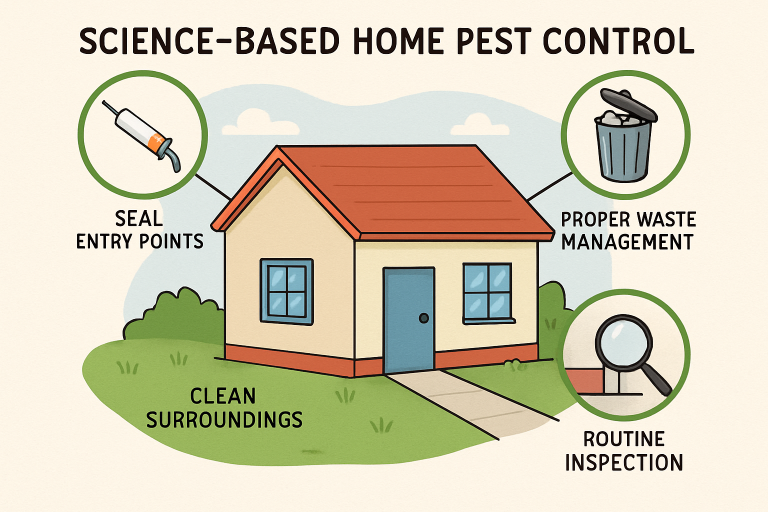
Household pests are notorious for sneaking in through cracks, crevices, and hidden structural gaps. Conducting regular inspections is the first step in intercepting pest problems before they grow. By methodically checking attics, basements, vents, and entry points, homeowners can spot early warning signs. Quick attention to these risks not only stops active infestations but also uncovers underlying conditions that make future problems likely. Routine checks are especially important after seasonal changes, heavy storms, or repairs that may have altered the structure.
Sanitation and Cleanliness: Eliminating Attractants
Pests are naturally attracted to readily available food, water, and shelter. Simple housekeeping measures—like wiping counters, clearing food debris, fixing leaky pipes, and keeping trash in sealed bins—remove many temptations. Decluttering storage areas and reducing the accumulation of paper or cardboard further limits hiding places for common pests such as roaches and rodents. Frequent cleaning routines, along with careful food storage, make the environment much less hospitable to intruders.
Sealing Entry Points: Fortifying Your Home
One of the most effective defensive measures available is closing off the gaps that pests use to get indoors. Examining door sweeps, window frames, wall penetrations, and rooflines can reveal vulnerable areas. Sealing these with durable materials—such as caulk, mesh, or weatherstripping—creates a physical barrier that insects and rodents cannot cross. Maintenance is key, as seasonal shifts or home repairs can create new entry points for pests. Making it standard practice to inspect and repair these barriers means homeowners can stay one step ahead of new infestations.
Advancements in Biopesticides: A Safer Alternative
The rise of biopesticides marks a shift toward more eco-friendly pest control. Unlike traditional chemicals, biopesticides are derived from naturally occurring substances, including bacteria, fungi, and plant extracts. Recent innovations have made these products more accessible and effective, greatly reducing environmental toxicity and the risk of pesticide resistance. Biopesticides are now widely used in home gardens and landscapes, offering a safer solution for families concerned about chemical residues or sensitive health conditions.
Sterile Insect Technique: Controlling Populations Naturally
The Sterile Insect Technique (SIT) is a unique population control method that consists of releasing sterilized male insects into problem areas. When these insects mate with wild females, no offspring are produced, eventually causing pest numbers to drop significantly. SIT is an environmentally selective solution that impacts only targeted species. It has successfully combated populations of flies and mosquitoes without harming pollinators or natural predators.
Implementing Chemical-Free Approaches
True sustainability in pest control blends prevention, monitoring, and natural solutions, keeping chemical pesticides to a minimum wherever possible. Such an approach considers both immediate needs and long-term ecological health, minimizing exposure for residents and pets. For example, homeowners who adopt IPM principles may find that improved caulking, decluttering, and moisture control effectively resolve many infestations without chemicals. Institutions like the American Lung Association recommend these less hazardous strategies to help preserve indoor air quality and health.
Conclusion
Scientific, sustainable home pest control calls for a coordinated effort that addresses both prevention and intervention. Relying on principles of Integrated Pest Management, consistent home maintenance, modern pest control innovations, and a conscious shift toward non-toxic alternatives, households can build lasting barriers against nuisance and harmful pests. Through education and routine practices, families can enjoy comfortable homes, knowing that their pest control solutions are both effective and responsible for the present and the future.