
Key Takeaways
- Child psychological testing is essential for identifying learning disabilities, behavioral issues, and emotional challenges.
- Early detection through assessments leads to timely interventions, improving academic and social outcomes.
- Services like those offered by PAC Psych NYC provide comprehensive evaluations and personalized support plans.
Table of Contents
- Understanding Child Psychological Testing
- Identifying Learning Disabilities
- Addressing Behavioral and Emotional Issues
- Enhancing Social Skills
- Guiding Educational and Career Paths
- The Role of PAC Psych NYC in Child Psychological Testing
- Frequently Asked Questions
- Conclusion
Understanding Child Psychological Testing
Child psychological testing is a critical tool for gaining insight into children’s unique developmental, cognitive, and emotional needs. Through structured assessments, psychologists can help identify both strengths and challenges a child might face at home or in school. This process enables parents and professionals to take informed steps for supporting children in overcoming obstacles and thriving in key areas of life. For families seeking guidance, child psychological testing can be a valuable first step to making positive changes in a child’s life.
These tests are not just about diagnosis. They are about understanding each child as a complex individual. Evaluators analyze different developmental domains, including intelligence, memory, social skills, and emotional regulation, using standardized tools. The data collected goes beyond grades and classroom observations to uncover the root causes behind academic struggles, social withdrawal, or behavioral issues. Equipped with these comprehensive evaluations, psychologists and educators can craft tailored intervention strategies. This approach provides highly personalized support rather than a one-size-fits-all approach, thereby increasing the likelihood of long-term success in both academic and personal growth. Ultimately, with the right support, children can achieve milestones they might have otherwise missed, improving not.
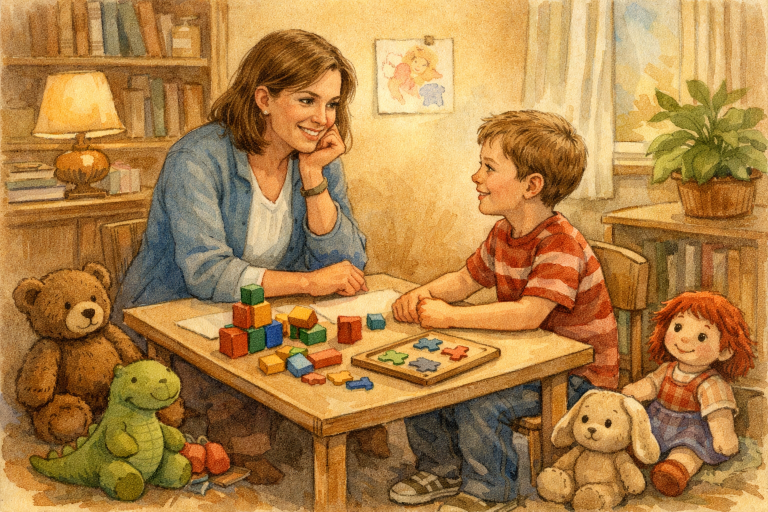
Learning disabilities impact millions of children, often going unnoticed until academic difficulties arise. Psychological assessments are crucial for pinpointing specific challenges, such as dyslexia (reading difficulties), dyscalculia (math difficulties), and other processing disorders that can derail academic progress. By identifying learning disabilities early, educators and parents can introduce specialized teaching methods, accommodations, and supports tailored to how the child learns best. Research shows that early intervention yields the best outcomes, enabling students to build foundational skills and gain confidence. Delayed identification, on the other hand, can lead to long-term academic gaps and lower self-esteem.
Addressing Behavioral and Emotional Issues
Many children experience behavioral and emotional issues that can hinder their academic and social functioning, such as anxiety, depression, and ADHD. Psychological testing allows for accurate diagnosis of these conditions, providing actionable information for therapists and families. Testing can also reveal underlying factors such as trauma, stress, or environmental influences that impact a child’s behavior and emotions. By identifying specific issues, professionals can recommend evidence-based therapies, behavioral interventions, and, when necessary, medication. According to the Centers for Disease Control and Prevention, almost one in five children in the United States has a diagnosable mental, emotional, or behavioral disorder. Early diagnosis and intervention are crucial for improving quality of life.
Enhancing Social Skills
Social development is a cornerstone of a healthy childhood. Psychological testing can detect social skill deficits that may not be immediately apparent, especially in children with autism spectrum disorder (ASD) or social communication difficulties. Through targeted assessment, children who struggle with peer relationships or interpreting social cues can receive support such as social skills groups or one-on-one coaching. Interventions based on assessment results can teach important skills, such as emotional regulation, conflict resolution, and perspective-taking. Improving social competence at an early age helps children adapt more successfully to changes and stressors in their environments, setting them up for healthier relationships later in life.
Guiding Educational and Career Paths
Beyond diagnosing difficulties, child psychological testing can highlight cognitive strengths and interests. Recognizing a child’s unique talents allows for informed decisions about educational tracks, enrichment programs, and extracurricular activities. For adolescents, these insights can also shape early career guidance by matching interests and aptitudes to potential fields of study or vocational options.
Helping children develop in their areas of strength not only promotes enthusiasm for learning but also boosts self-confidence. Parents and educators can better advocate for appropriate resources and placements with objective, data-driven results in hand.
The Role of PAC Psych NYC in Child Psychological Testing
PAC Psych NYC specializes in providing holistic, customized child psychological testing services in the New York City area. Their approach is evidence-based, combining standardized assessments with input from parents, teachers, and healthcare professionals. Individualized intervention plans are created only after a thorough assessment process that takes into account every aspect of a child’s functioning. The specialists at PAC Psych NYC work closely with families, schools, and allied professionals to ensure the intervention process is collaborative and well-rounded. Through timely and compassionate assessment, PAC Psych NYC continues to help children across the spectrum of abilities unlock their full potential and thrive in diverse environments.
Frequently Asked Questions
What is the purpose of child psychological testing?
The purpose of child psychological testing is to evaluate various aspects of a child’s development, including cognitive, emotional, and behavioral functioning. The results inform tailored intervention strategies that address each child’s individual needs.
At what age should a child undergo psychological testing?
Children can be tested at any age when concerns arise about learning, behavior, or development. Early testing often leads to more effective intervention by addressing issues before they become ingrained patterns.
How can parents prepare their child for psychological testing?
Parents can prepare their child by talking openly and reassuringly about the purpose of the assessment, ensuring their child is well-rested, and providing relevant history to the evaluator so a full picture can be developed.
What happens after the psychological testing is completed?
Once testing concludes, evaluators share results with parents, explain findings, and offer a comprehensive report with diagnoses (if any) and customized recommendations for further support and interventions.
Does insurance cover psychological assessments?
Insurance coverage for psychological assessments varies by provider and plan. Families should verify coverage details with their insurance company to understand applicable benefits and any out-of-pocket costs.
Conclusion
Child psychological testing plays a vital role in understanding a child’s cognitive, emotional, and behavioral development. By identifying learning disabilities, emotional challenges, and social skill gaps early, these assessments allow families and professionals to provide timely, targeted support that improves long-term outcomes. Early intervention can make a meaningful difference in a child’s academic success, confidence, and overall well-being. With comprehensive evaluation services like those offered by PAC Psych NYC, families gain valuable insights and personalized recommendations tailored to each child’s unique needs. Through early detection, informed planning, and ongoing support, child psychological testing helps children build stronger foundations for learning, relationships, and future success.