
Key Takeaways
- Always operate generators outdoors, at least 20 feet away from buildings, to prevent carbon monoxide poisoning.
- Ensure the generator is properly sized to meet your power needs, avoiding overloading.
- Regular maintenance and correct fuel storage are essential for safe operation.
When unexpected power outages occur, renting a generator can be a lifesaver. However, improper use can lead to serious hazards. This guide provides crucial safety tips to ensure you operate rented generators safely and effectively.
For those seeking reliable generator rental near me, One Call Rentals offers fast, dependable rentals for construction, events, and emergencies. Established in 2006 and proudly Colorado-owned, they provide commercial generators, heaters, and diesel fuel delivered on time and ready to work.
Understanding Generator Safety
Generators are invaluable during power outages but come with risks such as carbon monoxide (CO) poisoning, electrical shocks, and fire hazards. The U.S. Consumer Product Safety Commission (CPSC) reports that an average of about 100 consumers die in the U.S. each year from CO poisoning related to portable generators.
Proper Placement and Ventilation
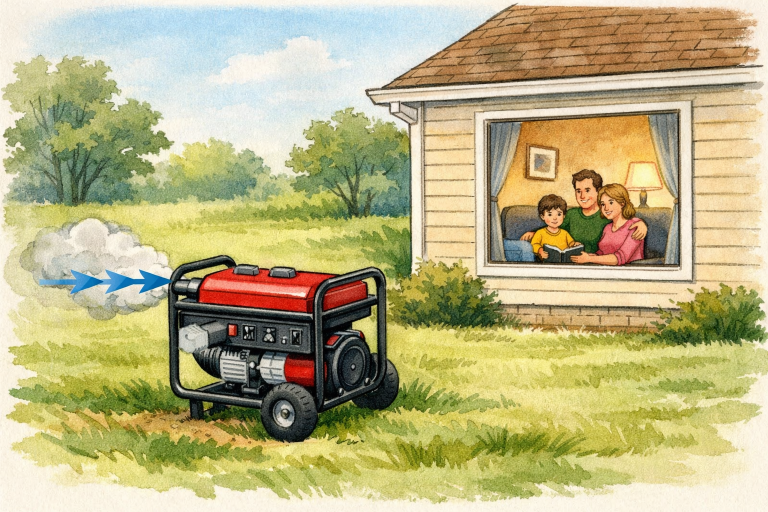
Always operate generators outdoors, positioned at least 20 feet away from your home, with the exhaust directed away from windows and doors. This distance minimizes the risk of CO entering living spaces.
If you’re operating a generator in an urban area, be mindful of your neighbors. Exhaust fumes and noise can disturb others and may be illegal depending on local ordinances. Always check local laws and regulations regarding generator use in your area. For added safety, purchase a battery-powered carbon monoxide detector and place it inside your home while the generator is in use. This simple step can be a lifesaver if fumes inadvertently enter your living space.
Correct Sizing and Load Management
Select a generator that matches your power requirements. An undersized generator may struggle under high loads, leading to voltage drops or system shutdowns. Conversely, an oversized generator can be inefficient and costly. Consulting with professionals can help determine the appropriate size for your needs.
To determine your power needs, make a list of essential appliances and their wattages. Prioritize necessities like refrigerators, medical devices, and heating systems. Remember, starting watts (the initial surge needed to power an appliance) are often higher than running watts. Be sure your generator can handle the starting wattage of your largest device. Overloading a generator can trip circuit breakers and cause dangerous overheating.
Regular Maintenance and Fuel Storage
Routine maintenance ensures the generator operates safely. This includes checking for fuel leaks, inspecting battery terminals, and lubricating moving parts. Store fuel in a clean, dry, and well-ventilated area, away from direct sunlight, and use a fuel stabilizer to prevent degradation.
If you’re renting a generator for an extended period, ask the rental provider for the unit’s maintenance history. Always use the manufacturer-specified fuel type, and avoid mixing stale with fresh fuel. When storing extra fuel, use containers approved by regulatory agencies such as OSHA or the Department of Transportation. Always keep fuel outside living areas and never refill a generator while it’s running or still hot. Wait until the machine has cooled down to prevent accidental fires or explosions.
Safe Operation Practices
Before starting the generator, ensure all appliances are unplugged. Once the generator is running smoothly, plug in appliances one at a time to avoid overloading. Never operate a generator in wet conditions unless it’s properly covered, and always use heavy-duty extension cords rated for outdoor use.
Never attempt to power your home’s wiring by plugging the generator into a wall outlet. This can cause dangerous backfeeding, posing a severe risk to utility workers and damaging your generator or appliances. Instead, only power appliances directly by plugging them into the generator’s outlets. If you need to power hardwired systems, consult an electrician and use an approved transfer switch system.
Installing a Transfer Switch
A transfer switch allows your home to safely shift from utility power to generator power during an outage, directing electricity only to selected circuits such as heating or lighting. This prevents backfeeding and protects both your home and utility workers, making it a crucial component for safe generator operation.
Transfer switches can be manual or automatic. Manual switches require you to flip a lever or dial to transition to generator power, while automatic switches detect outages and engage the generator automatically. Many rental companies offer installation services for transfer switches, and it’s wise to arrange for professional installation to ensure compliance with electrical codes and warranty requirements. A correctly installed transfer switch also makes it easier to quickly restore power to critical systems like refrigerators, sump pumps, and medical devices during an outage.
Additional Safety Considerations
When renting a generator, always ask the rental provider for an operational demonstration, including startup, refueling, and shutdown procedures. Request a copy of the user manual and keep it handy for reference. Familiarize yourself with the generator’s built-in safety features, such as automatic low-oil shutoff, overload protection, and grounding points. These safeguards help to prevent accidents and prolong equipment life.
Keep children and pets away from running generators and fuel supplies. Motor parts get extremely hot during operation, so do not touch or rest objects upon the generator to avoid burns or fire hazards. If you need to move a generator, switch it off and allow it to cool before transporting.
Plan your generator use in advance, especially if a severe storm or planned outage is expected. Test your generator before it’s needed to ensure everything works correctly. Prepare backup lighting, such as flashlights and lanterns, for use during setup and shutdown in low-light or emergency conditions.
Conclusion
Renting a generator is a practical solution during power outages, but safety must be a top priority. By following these guidelines, you can ensure the safe and efficient operation of your rented generator, protecting both your home and loved ones.
Preparation, education, and careful operation allow you to maximize the benefits of renting a generator while ensuring everyone’s safety. Make use of resources and professional consultations provided by your rental service, and always adhere strictly to safety best practices. A well-prepared generator user is safe and effective, ready to meet power needs during any emergency or special event.