
Key Takeaways
- Selling as-is means listing your home without repairs or upgrades.
- Saves time, money, and stress; often attracts cash buyers or investors.
- Drawbacks include lower offers, fewer buyers, and mandatory disclosures.
- Price competitively, highlight potential, and be transparent about issues.
- Ideal for inherited homes, financial hardship, relocations, or absentee owners.
Understanding the As-Is Home Sale
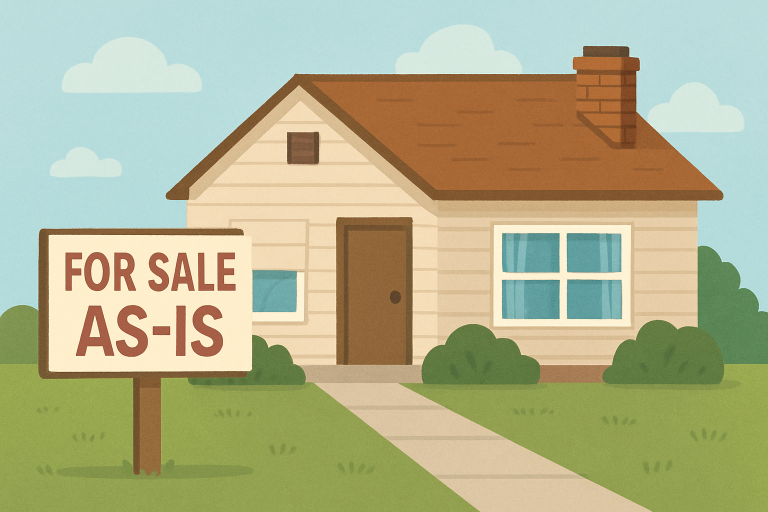
Selling your home “as-is” means putting your property on the market in its current condition without committing to repairs or cosmetic fixes. This approach can be ideal for homeowners who need to move quickly, want to avoid the complexities of renovations, or lack the funds for major improvements. If you are considering whether this strategy is right for you, learning more about the process can help you weigh your options and make an informed decision. Many sellers in North Carolina turn to resources like https://www.cardinalhomebuyers.net/sell-my-house-fast-fayetteville-nc/ for guidance on navigating an as-is sale.
In an as-is transaction, buyers are generally aware that the home may require some work. As a result, these sales often appeal to investors seeking investment opportunities or buyers looking to customize a property to their preferences. This distinction impacts the sales process, pricing strategy, and even your negotiation position.
Advantages of Selling As-Is
- Time and Cost Savings: You can expedite the selling process and avoid the financial strain of costly upgrades or remodeling projects. For many, this is the most compelling reason to choose an as-is sale.
- Attracting Cash Buyers: As-is homes are attractive to investors and cash buyers, which can lead to quicker transactions and less risk of financing issues delaying or derailing the sale.
- Reduced Stress: Without the burden of orchestrating repairs and facing prolonged negotiations over condition issues, the entire selling experience can be less overwhelming.
For sellers who want to bypass traditional hurdles and move forward on a flexible timeline, the as-is approach can be a practical choice. It is not uncommon for as-is properties to sell more quickly, though pricing your home correctly and understanding your obligations are essential. Working with Cardinal Home Buyers in North Carolina can offer tailored support throughout the process, ensuring you cover all your bases and connect with the right buyers.
Potential Drawbacks to Consider
- Lower Sale Price: Because buyers account for potential repair costs, you may receive lower offers than for renovated homes in your area. This trade-off can be worthwhile if speed or convenience is your top priority.
- Limited Buyer Pool: Not all buyers are interested in fixer-uppers or willing to take on a project. Those seeking move-in-ready homes may skip your listing, narrowing your audience.
- Disclosure Obligations: Even in as-is sales, legal requirements require you to disclose any known issues or material defects to prospective buyers. Failing to do so can result in legal consequences down the line.
Legal Considerations and Disclosure Requirements
No matter the market or property type, every seller must adhere to local disclosure laws. Selling as-is does not excuse you from revealing known structural defects, electrical issues, water damage, or other serious problems with the house. The intent is to protect buyers from hidden pitfalls and ensure a fair transaction. Consulting with a real estate attorney or a licensed agent is recommended, as they can provide clarity on your disclosure responsibilities and local regulations. For further insight into legal requirements, the National Association of Realtors provides guidelines on property disclosures in real estate transactions.
Strategies for a Successful As-Is Sale
- Set a Competitive Price: Research recent home sales in your neighborhood, accounting for the condition of comparable properties. Pricing your home realistically is essential to attract serious offers and avoid having your house linger on the market.
- Highlight Potential: Showcase your property’s potential to buyers interested in making upgrades or seeking investment opportunities. Marketing materials should focus on the location, lot size, and unique features that add value despite existing flaws.
- Be Transparent: Full disclosure builds trust and can prevent negotiations from breaking down later. Offer inspection reports or documentation on known issues to minimize surprises and foster confidence with potential buyers.
Proactive marketing and clear communication can greatly improve your chances of selling successfully and efficiently. According to a Kiplinger report, effective transparency is a cornerstone of attracting qualified buyers in an as-is transaction.
When Selling As-Is Makes Sense
Selling your home as-is is especially appropriate in certain scenarios. If you have inherited a property and do not wish to invest in upgrades, selling as-is can help you avoid unnecessary expenditures. Homeowners facing financial hardship, dealing with post-divorce asset liquidation, or needing a fast move due to a job transfer often benefit from this approach. It is also practical for out-of-state owners who cannot oversee repairs. Ultimately, the decision should align with your personal circumstances and the current market environment.
Final Thoughts
Selling as-is offers real advantages and some potential drawbacks. When you understand the process, the associated responsibilities, and legal protections, you can proceed with confidence. Whether your priority is speed, simplicity, or minimizing investment, as-is sales can be a practical pathway to your next chapter. Assess your situation and consult reputable professionals or investor-friendly buyers to ensure your sale proceeds smoothly and is legally sound.