Key Takeaways
- Integration of sustainable materials and energy-efficient designs is on the rise.
- Technological advancements are enhancing the functionality and appeal of modular log cabins.
- Design trends are shifting towards minimalist aesthetics and multifunctional spaces.
Table of Contents
- Sustainable Materials and Energy Efficiency
- Technological Advancements
- Minimalist Designs and Multifunctional Spaces
- Prefabrication and Modular Construction
- Biophilic Design and Natural Integration
- Year-Round Functionality
- Health and Wellness Retreats
- Conclusion
Modular log cabins have undergone a remarkable transformation. Builders today balance rustic appeal with 21st-century innovation, catering to those who want eco-friendly and tech-enabled spaces amid natural surroundings. For those looking to explore their options in this flourishing industry, leading Modular Log Cabin Builders offer a variety of choices that cater to modern needs without sacrificing traditional charm. Whether you are a future homeowner or a builder, understanding these advancements is essential for making informed decisions.
The demand for modular log cabins continues to grow among individuals seeking a sustainable, peaceful lifestyle. Trends are shifting toward spaces that support year-round comfort, enhanced wellness, and effortless integration with the outdoors. As these cabins evolve, so do the expectations for both design and function, driven by changing lifestyles and environmental priorities.
Manufacturers now focus on energy efficiency, health-centered features, and prefabrication techniques that streamline the building process and minimize waste. Sustainability is at the forefront, from construction materials to operational efficiency, reflecting both consumer desire and broader environmental awareness.
Emerging trends are not just aesthetic. They impact comfort, utility, cost savings, and overall well-being, making today’s modular log cabins a viable option for contemporary living, vacationing, or investing in rental properties.
Sustainable Materials and Energy Efficiency
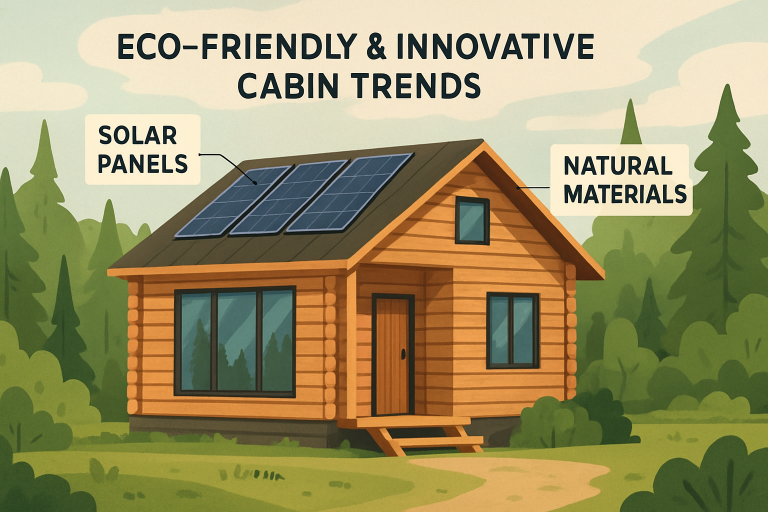
Today’s modular log cabins make extensive use of sustainable resources. Builders now commonly employ reclaimed wood, recycled materials, and plant-based insulation products to lessen their carbon footprint. Enhanced insulation and airtight construction improve the thermal performance of cabins, reducing both environmental impact and ongoing costs for owners. Integrating energy systems such as solar panels, geothermal heating, and energy-efficient windows has become standard practice in modern builds, adhering to both environmental and financial goals. According to Forbes, the growth in sustainable cabin-building reflects consumer desire for green solutions without compromising comfort.
Technological Advancements
Smart home technology is becoming a core element of modular log cabin living. With systems that remotely manage lighting, heating, cooling, and security, owners can enjoy maximum convenience and efficiency. Smart thermostats and automated climate control do more than keep the environment pleasant. They help protect structural elements by maintaining optimal humidity, preventing the wear often associated with wood over time. High-speed internet and entertainment options are integrated as well, ensuring that scenic locations do not mean sacrifices in connectivity or convenience. The increasing use of these technologies is documented in coverage of modern home trends from Forbes, signaling their growing mainstream adoption.
Minimalist Designs and Multifunctional Spaces
Homeowners today are embracing minimalist designs that prioritize function without unnecessary detail. Interiors are marked by neutral palettes, open-plan layouts, and large windows to maximize natural light. The emphasis on multipurpose areas, such as expandable dining spaces or fold-out sleeping arrangements, caters to the tiny home movement and those who seek versatility within a limited footprint. These design choices create living spaces that feel larger and more adaptable, a necessity in seasonal or part-time residences where flexibility matters.
Prefabrication and Modular Construction
The adoption of prefabrication processes has proven to be a major advantage in modular log cabin construction. By pre-building structural modules in controlled environments, manufacturers guarantee greater precision and reduce on-site construction times. Assembly is efficient and less susceptible to weather-related delays, which can be a significant challenge in rural locations. Prefabrication also lowers costs and minimizes excess waste, making cabins more accessible to a broader range of buyers.
Biophilic Design and Natural Integration
Biophilic design, centered on blending indoor and outdoor environments, shapes many of today’s most desirable cabins. Features like expansive windows, organic stone, and integrated natural materials enhance the look and ambiance of a space. Incorporating indoor plants and maximizing sightlines to outdoor scenery helps create a sense of openness and well-being. As highlighted by Architectural Digest, connecting with nature inside the home has measurable benefits for mood and mental health, a driving factor in this design progression.
Year-Round Functionality
Modern modular log cabins are constructed for year-round use, no longer limited to summer escapes or seasonal retreats. Advanced insulation, multi-pane windows, and efficient furnaces allow these structures to withstand winter cold and summer heat. Durable, weather-resistant finishes ensure longevity in all climates. This versatility appeals not just to vacationers but also to those seeking permanent or rental residences that remain comfortable year-round.
Health and Wellness Retreats
The surge in health and wellness awareness has resulted in cabins tailored for restorative stays. Many modern modular designs feature wellness-focused amenities, such as yoga studios, meditation alcoves, or spa-inspired bathrooms. These features provide a tranquil escape from urban life and help facilitate mindfulness and relaxation, supporting a holistic lifestyle. The trend reflects a broader shift in consumer priorities toward accommodations that restore both body and mind.
Conclusion
Modular log cabins now represent far more than rustic nostalgia. As builders and homeowners integrate eco-friendly materials, leading-edge technology, and health-centered amenities, the appeal of modular cabin living is wider than ever. These innovations fuse traditional beauty with modern practicality, making modular log cabins among the most flexible and attractive housing solutions available today.