
Key Takeaways
- Integrating mental health practices into day-to-day routines fosters overall well-being and supports resilience.
- Approachable strategies such as mindfulness, social connections, movement, and balanced nutrition are effective and accessible.
- Consistently practicing these habits can lead to measurable improvements in your mental health over time.
Prioritizing mental health is just as important as maintaining physical well-being. However, building mental health habits is often neglected in our fast-paced routines. By weaving evidence-based mental wellness strategies into your everyday life and seeking appropriate mental health care when needed, you can build greater resilience and nurture lasting emotional balance.
Simple changes, such as making time for meaningful social interactions or practicing mindfulness, can make a profound difference. These approachable tactics are available to everyone and require only consistency and self-compassion. With regular practice, even small efforts can accumulate, leading to improved quality of life and a stronger foundation for coping with life’s stressors.
People of all backgrounds and ages benefit from routines that care for the mind, not just during challenging periods but as part of day-to-day living. Mental health should be considered a proactive, ongoing journey rather than something to address only when problems arise. Keeping mental health at the forefront supports productivity, meaningful relationships, and joy in ordinary experiences.
Practicing Mindfulness
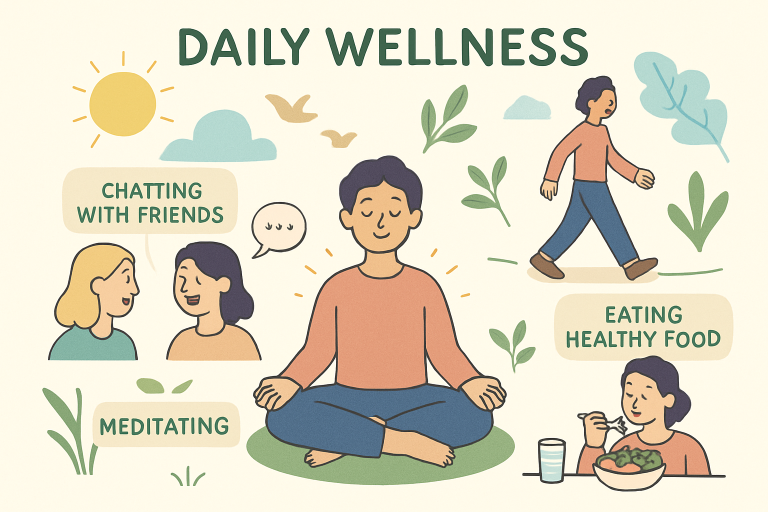
Mindfulness is the practice of paying attention to the present moment with an open, nonjudgmental attitude. Even a few minutes each day dedicated to meditation, deep breathing, or simple awareness can reduce feelings of stress and enhance emotional regulation. Current research indicates that mindfulness-based interventions improve symptoms for those experiencing depression or anxiety and help build a healthier outlook over time.
Begin with basic techniques such as focusing on your breath or tuning into physical sensations during routine tasks. Simple reminders to pause throughout the day can support greater calm and clarity, especially during moments of emotional distress.
Engaging in Regular Physical Activity
Movement is a powerful tool for supporting mental health. When you engage in regular physical activity, your body releases endorphins that act as natural mood enhancers and stress reducers. Whether you prefer brisk walks, yoga, cycling, or dancing, integrating exercise into your life can help lower symptoms of depression and anxiety.
Physical activity also boosts self-esteem, fosters better sleep, and creates opportunities for social engagement. For many, joining group classes or neighborhood walks encourages consistency while building a sense of community. The Centers for Disease Control and Prevention highlights the link between exercise and improved mental health, emphasizing that even moderate physical activity is beneficial for most people.
Fostering Social Connections
Meaningful relationships are central to human well-being. Strong social ties offer emotional support, validation, and a sense of belonging. Daily interactions, whether through shared meals, group activities, or simple check-ins with loved ones, help buffer against loneliness and enhance feelings of security and joy.
Seeking out new community groups, participating in volunteer opportunities, or maintaining regular contact with friends and relatives supports mental resilience. For individuals experiencing isolation or stress, connection is especially important; even small acts of kindness or gratitude can deepen bonds and improve mood.
Maintaining Healthy Sleep Patterns
Quality sleep is essential for emotional balance, cognitive function, and overall well-being. Disrupted or insufficient sleep can worsen symptoms of anxiety or depression and make daily challenges seem more overwhelming. Establishing healthy routines, including a consistent bedtime and limiting screen use before sleep, makes it easier to achieve restorative rest.
Tips for Restful Sleep
- Stick to a regular sleep schedule, even on weekends.
- Create a calming bedtime routine and minimize caffeine in the afternoon.
- Keep your sleeping environment cool, dark, and quiet.
Adopting a Balanced Diet
Nutrition plays a meaningful role in mental health and cognitive functioning. Diets rich in raw fruits and vegetables, lean proteins, and whole grains can promote steady energy, a better mood, and long-term brain health. Incorporating foods rich in omega-3 fatty acids, such as salmon and walnuts, and folate, like leafy greens, provides essential nutrients for healthy brain function.
Limiting processed foods, added sugars, and caffeine can help stave off mood swings and support balanced energy levels. Consulting a registered dietitian can offer further personalized advice, especially for individuals with special dietary needs or health conditions.
Implementing Stress Management Techniques
Chronic stress impacts every aspect of health, from sleep to immunity to emotional stability. Learning to manage stress proactively keeps it from becoming overwhelming. Techniques such as mindful time management, setting realistic and achievable goals, and integrating regular relaxation breaks can help.
Additionally, making space for hobbies and activities that bring you joy is key to maintaining mental health. Creative pursuits, nature walks, or quiet time for personal reflection reinforce positive coping skills and offer regular release from daily pressures.
Seeking Professional Support When Needed
While self-care practices are preventive and restorative, persistent or severe mental health symptoms may require the guidance of trained professionals. Therapists, counselors, and psychiatrists have the tools and expertise to tailor interventions and offer comprehensive support for various needs, whether acute stress, trauma recovery, or ongoing mental illness.
Integrated care models, which consider both physical and mental health needs, are increasingly available and lead to higher satisfaction and more sustainable wellness outcomes for patients. If you or someone you know is struggling, reaching out for professional support demonstrates strength and commitment to long-term well-being.
Final Thoughts
Incorporating practical mental health strategies into daily routines creates a strong foundation for resilience and emotional balance. Mindfulness, movement, social support, healthy sleep, nutrition, effective stress management, and timely professional intervention are all parts of a holistic approach to mental well-being. By making these habits part of your everyday life, you can proactively support mental health and improve your quality of life, one day at a time.