
Key Takeaways
- Understand each stage of furnace replacement to make informed decisions.
- Prepare your living space for a smooth and safe installation day.
- Select a furnace model and a contractor with proven reliability and reputation.
Table of Contents
- Understanding the Furnace Replacement Process
- Preparing Your Home for Installation
- Choosing the Right Furnace
- Selecting a Qualified Contractor
- Post-Installation Checklist
Replacing your furnace is one of the biggest investments you can make to improve your home’s comfort and energy efficiency, especially before Ottawa’s intense winters. Preparing properly not only streamlines the installation but also helps ensure that your new system operates safely and effectively. If you are considering upgrading an older furnace before winter in Ottawa, following a systematic approach will help you get the most out of your investment.
Understanding the entire furnace replacement process, preparing your household, and working with the best professionals are all crucial. With thorough preparation, you can set clear expectations and avoid any surprises during installation.
Taking the time to make your home accessible, reviewing your equipment options, and getting professional input can help create a seamless installation experience. Keep in mind that evaluating the different types of furnaces and finding a trustworthy contractor also determines your long-term satisfaction.
For those in Ottawa, choosing a furnace for your Ottawa home involves additional considerations such as local climate, fuel availability, and regional rebates that could reduce your initial costs.
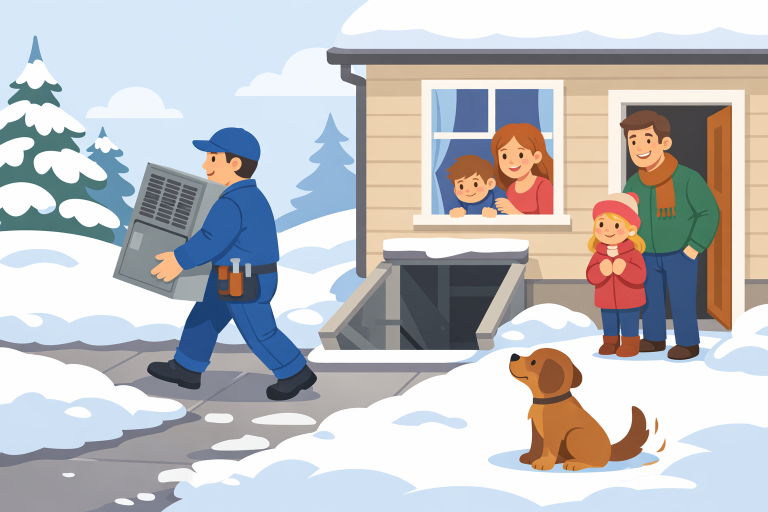
Understanding the Furnace Replacement Process
Knowing what happens during a furnace replacement will help you feel more confident and at ease. Typically, the process begins with an assessment, during which an HVAC specialist examines your current system, evaluates your heating needs, and recommends suitable options. This step may also include a home energy audit to identify opportunities to reduce heat loss and improve efficiency.
Once you choose the new furnace, the contractor safely disconnects and removes the old system, ensuring compliance with safety and environmental standards. Next, they install the new furnace and check all venting, fuel, and electrical connections. Finally, they test and calibrate the system to ensure optimal performance and efficiency, making any necessary adjustments before presenting the finished work to you.
Preparing Your Home for Installation
Preparation is essential to avoid delays and keep the installation area safe for technicians and your family. Begin by clearing the space around your current furnace. Move storage boxes, cleaning supplies, or other household items to give installers unobstructed access. Make sure to create clear paths from your doorways to the work area so heavy equipment can be moved in and out easily.
If you have pets or small children, make arrangements to keep them away from the installation area during the project. This prevents accidents and ensures that work progresses without interruptions. Additionally, inform everyone in your household about the installation schedule, so they know when and where technicians will be working. This can help minimize confusion and keep your home running smoothly during the process.
Choosing the Right Furnace
Your choice of furnace directly affects both comfort and cost over the coming years. Start by determining the appropriate size and heating capacity based on your home’s square footage, insulation, and number of rooms. An undersized unit will struggle to keep you warm, while an oversized system may cycle too often, wasting energy.
Pay attention to energy efficiency; a higher Annual Fuel Utilization Efficiency (AFUE) rating means lower energy bills. In cold climates like Ottawa, a high-efficiency furnace is worth the investment to keep utility costs manageable over time. Choose between fuel types such as gas, electric, or oil based on local fuel prices, availability, and your home’s infrastructure. Consulting with a heating professional ensures you make an educated decision that fits your family’s comfort and your budget.
Selecting a Qualified Contractor
The experience and qualifications of your installer determine both the quality and safety of your furnace replacement. Always verify that the contractor is licensed and insured for HVAC work in your area. Look for professionals with a strong reputation, supported by reviews and recommendations from previous customers on sites like Google or the Better Business Bureau.
Ask for references before signing a contract and talk to past clients if possible. Obtain quotes from several contractors to ensure transparent and fair pricing for both equipment and labor. Choosing the right HVAC contractor lowers the risk of future maintenance issues and ensures your system lasts longer with fewer disruptions.
Post-Installation Checklist
After your new furnace is in place, inspect the installation to make sure everything looks professional and the area is clean. Invite the contractor to walk you through the major features, thermostat controls, and recommended maintenance tasks. Knowing how to operate and care for your furnace from day one will help ensure lasting performance.
Set up a regular maintenance schedule to protect your investment. Many companies offer annual tune-up services to detect small issues before they become costly repairs. Staying proactive will keep your system running efficiently and extend the life of your equipment.
Taking these steps when replacing your furnace ensures a smooth transition and a warmer, more energy-efficient home for years to come.