
Key Takeaways
- HVAC systems regulate heating, cooling, and indoor air quality year-round.
- Furnaces, boilers, heat pumps, and air conditioners each serve different home needs.
- Regular maintenance helps improve efficiency and prevent breakdowns.
- Rising energy bills, noise, or uneven temperatures may signal system issues.
- Energy-efficient upgrades and proper insulation reduce long-term costs.
- Systems over 15 years old or in need of frequent repairs may require replacement.
The basics of heating and cooling systems are essential knowledge for any homeowner, as these systems play a central role in maintaining indoor comfort and air quality year-round. Understanding how furnaces, air conditioners, heat pumps, and thermostats work together can help identify early signs of inefficiency or potential issues. With this foundational awareness, homeowners are better equipped to make informed decisions about maintenance, energy use, and system performance over time across different seasons and usage patterns.
Homeowners often benefit from knowing when professional support may be needed, especially when system performance becomes inconsistent or energy costs rise unexpectedly. In such cases, consulting a qualified heating and cooling contractor Chicago or a similar specialist can help ensure proper diagnosis and system optimization. While technologies and system designs may vary, the goal remains the same: maintaining reliable comfort and efficiency through informed care and timely attention in a neutral way.
Understanding HVAC Systems
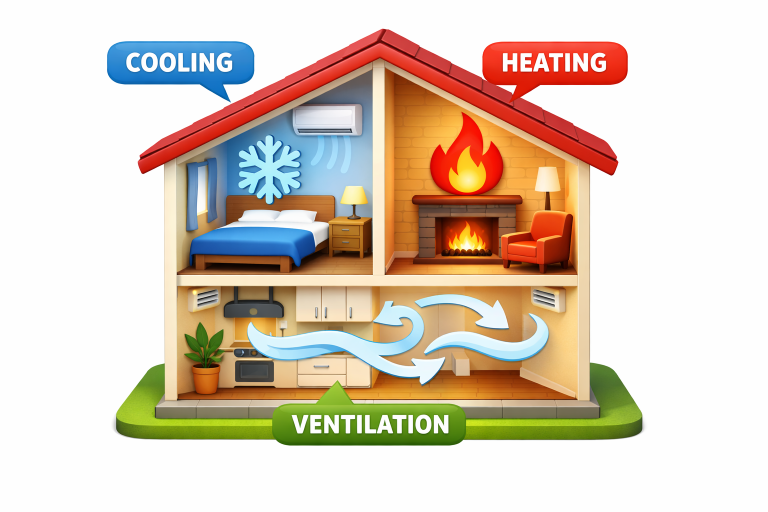
HVAC stands for Heating, Ventilation, and Air Conditioning. Together, these components regulate the climate inside your home. The heating component provides warmth during cold winter months, while the air conditioning system offers a cool escape during the hottest days of summer. Ventilation, meanwhile, circulates air and helps maintain healthy indoor air quality by filtering pollutants and controlling moisture levels.
Common Types of Heating Systems
There are several primary types of heating systems, each with its own advantages, costs, and energy sources:
- Furnaces: Commonly powered by gas, oil, or electricity, furnaces heat air and distribute it throughout the house using ductwork.
- Boilers: Boilers heat water, which travels through pipes to radiators or in-floor systems to provide ambient warmth.
- Heat Pumps: By transferring heat from the outside air or below ground, heat pumps offer a flexible and efficient way to both heat and cool your home.
Furnaces are especially prevalent in colder climates because they provide consistent heat. Meanwhile, heat pumps are popular in moderate climates for their dual heating and cooling capabilities and energy efficiency.
Cooling Systems Explained
Just as there are various heating systems, cooling technology is tailored to different home designs and needs:
- Central Air Conditioners: These systems use a refrigerant to extract heat from the indoor air and release it outside, cooling the home efficiently via ductwork.
- Heat Pumps: Reversible by design, these systems cool your home in summer by transferring indoor heat outdoors.
- Ductless Mini-Split Systems: Perfect for homes without ducts, these units provide targeted cooling to specific rooms or zones.
Knowing what kind of cooling system you have is essential for scheduling the right maintenance and maximizing efficiency.
Importance of Regular Maintenance
Routine maintenance keeps your HVAC system efficient, prolongs its lifespan, and helps avoid unexpected failure. Key maintenance practices include:
- Filter Replacement: Regularly changing air filters is vital for maximizing airflow, minimizing allergens, and preventing unnecessary energy consumption. Filters should be checked monthly and replaced every one to three months.
- Professional Inspections: Scheduling a professional assessment at least once a year can help catch problems early, keep your system running smoothly, and reduce the chances of mid-season breakdowns.
- Cleaning Components: Collecting debris, dust, and dirt can hinder system efficiency. Regularly cleaning coils, fan blades, and air-handling units ensures every component works its best.
Skipping basic upkeep can cause your HVAC to work harder than necessary, resulting in higher utility bills and more frequent repairs.
Energy Efficiency Considerations
Energy efficiency is essential for the performance and cost-effectiveness of HVAC systems. Over time, older units tend to become less efficient, while newer technologies can significantly lower energy consumption and utility bills. The quality of insulation is also important; well-insulated doors, windows, and attics help maintain indoor temperatures and reduce strain on the system. Additionally, using programmable and smart thermostats can optimize energy use based on daily routines. Upgrading to Energy Star-rated equipment and sealing drafts can further improve efficiency, resulting in long-term savings and enhanced system performance.
Recognizing Signs of HVAC Issues
Being proactive about system health starts with paying attention to warning signs:
- Unusual Noises: Rattling or grinding sounds may indicate loose or broken parts.
- Inconsistent Temperatures: Noticeable hot or cold spots in your home could signal duct problems, refrigerant leaks, or thermostat malfunctions.
- Increased Energy Bills: A sudden jump in energy use is often an early sign that your system may need servicing or critical repairs.
Promptly addressing these symptoms with professional contractors can prevent minor issues from turning into costly breakdowns.
When to Consider System Replacement
Even with regular maintenance, every HVAC system will eventually reach the end of its useful life, making replacement the more practical option. One key indicator of this is the system’s age; if it is over 15 years old, it may not operate as efficiently as newer models. Another warning sign is the need for frequent or increasingly expensive repairs, which can quickly accumulate and exceed the cost of a new system. Additionally, rising energy bills without a clear explanation often indicate that the system is losing efficiency and struggling to maintain comfort.
Upgrading to a newer system can provide significant advantages, including improved energy efficiency, more consistent indoor performance, and advanced smart technology features that help optimize comfort while reducing long-term operating costs.
Conclusion
Gaining a solid understanding of your heating and cooling systems empowers you to protect your home investment, improve comfort, and control costs. Regular maintenance, keen observation, and timely upgrades ensure your HVAC system remains reliable and energy efficient year-round.