
Key Takeaways
- Invoke your right to remain silent and refrain from making statements without legal counsel.
- Demand your right to an attorney and avoid answering questions alone.
- Recognize standard arrest, booking, and bail processes so you know what to expect.
- Understand when and how to refuse consent for property searches if there is no warrant.
Facing an arrest can be overwhelming, especially if you’re unsure about your rights. Knowing how to protect your legal interests is critical, regardless of the circumstances. Drunk driving attorney professionals recommend staying calm and understanding each right you are entitled to during these pivotal moments. This guide will provide an overview of your rights and offer guidance on how to respond at each stage of the process.
Many individuals are unaware of the protections granted to them following arrest and may unintentionally undermine their defense. It is vital to respond thoughtfully and use the legal safeguards available to you. Whether you are directly involved or want to be more informed, this article helps you recognize your options should you ever encounter law enforcement in such circumstances.
Your Right to Remain Silent
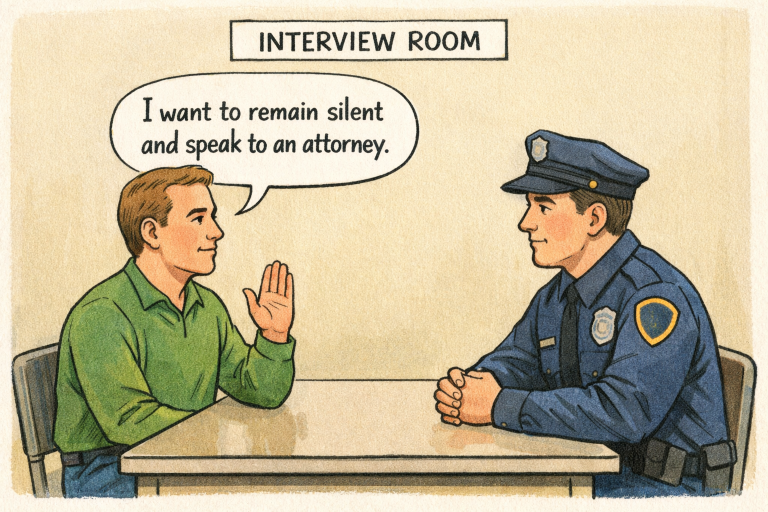
If you are arrested, the United States Constitution gives you the right to remain silent. Law enforcement must inform you of this right, typically through what is known as a Miranda warning. You are never required to answer police questions after your arrest, and anything you say can be used against you in court. By politely stating, “I am invoking my right to remain silent and wish to speak with an attorney,” you protect yourself from unintentionally incriminating statements.
Being silent does not mean you are uncooperative; it simply preserves your legal interests. This is particularly important for those who may not fully understand the circumstances or the nature of the charges against them. Exercising this right is often the wisest step until you receive legal advice.
Your Right to Legal Representation
After an arrest, you have the right to consult with a lawyer before and during police questioning. This legal counsel is fundamental to ensuring that authorities respect your rights and that you are treated fairly throughout the process. If you cannot afford a private attorney, the law requires the court to appoint a public defender for you. Request your attorney as soon as possible; delay may only complicate your situation.
Legal professionals can be crucial both in the immediate aftermath of your arrest and during later proceedings. They will advise you which questions to answer, assist in arranging bail, and help you understand each stage of the criminal process.
Understanding the Arrest Process
After your arrest, law enforcement will transport you to a police station for “booking.” This step involves recording your personal information, the reason for your arrest, fingerprinting, and photographing. You must be notified of the formal charges against you, for which you have the right to receive documentation. Any personal property taken will be itemized, and you are entitled to a receipt and to a reasonable number of phone calls, often to a family member or your lawyer.
Booking and post-arrest procedures are standard. Knowing what to expect can help you remain composed and cooperative, avoiding further complications. The police may hold you for a period (often up to 48 hours), after which you must be brought before a judge to address the charges and potential bail.
Searches and Your Rights
Immediately after your arrest, police can perform a limited search of your clothing to check for weapons or evidence. However, if officers want to conduct a broader search of your bags, vehicle, or home, they generally need a warrant unless you consent. To safeguard your Fourth Amendment rights, simply and clearly state, “I do not consent to this search.” Documenting this refusal can be vital to future court proceedings.
Exceptions to the warrant requirement are limited, and any search beyond what is reasonable at the scene should be challenged by your attorney. Understanding these boundaries helps prevent the unlawful collection of evidence and strengthens your defense.
Handling Interactions with Law Enforcement
Respect and composure when interacting with police are always in your best interest. Avoid resisting arrest, even if you believe the detention is unwarranted, as this can result in additional charges and diminish your credibility. Instead, calmly state your intention to remain silent and request your attorney. Cooperation, without volunteering information or consent for searches, is the best way to protect yourself and may influence your case’s outcome positively.
Post-Arrest Procedures
After your arrest, you have the right to a hearing before a judge, which should occur within 48 hours. This first appearance includes a review of the charges, a determination regarding bail, and your first opportunity to challenge your detention. Attending this hearing with your legal representative ensures your voice is heard and that legal protocols are followed.
Special Considerations for Non-Citizens
If you are not a U.S. citizen, additional protections are available. You may request that law enforcement notify your country’s consulate or embassy of your arrest. Consular officials can provide assistance, including helping you secure legal representation and notifying family in your home country. Be sure to explicitly ask for consular notification if you are a foreign national.
Conclusion
Understanding your fundamental rights at the moment of arrest empowers you to navigate the legal system safely and wisely. Consistently assert your right to remain silent, demand immediate legal counsel, and never consent to searches without a warrant. By preparing in advance and knowing what procedures to expect, you protect not only your current situation but also your future. These steps, aligned with legal experts’ advice, ensure you stand on solid ground if ever confronted by law enforcement.