
Table of Contents
- Preserving Architectural Integrity
- Modernizing Interiors
- Sustainable Materials and Practices
- Enhancing Energy Efficiency
- Incorporating Smart Home Technology
- Balancing Open and Defined Spaces
- Landscape Integration
- Conclusion
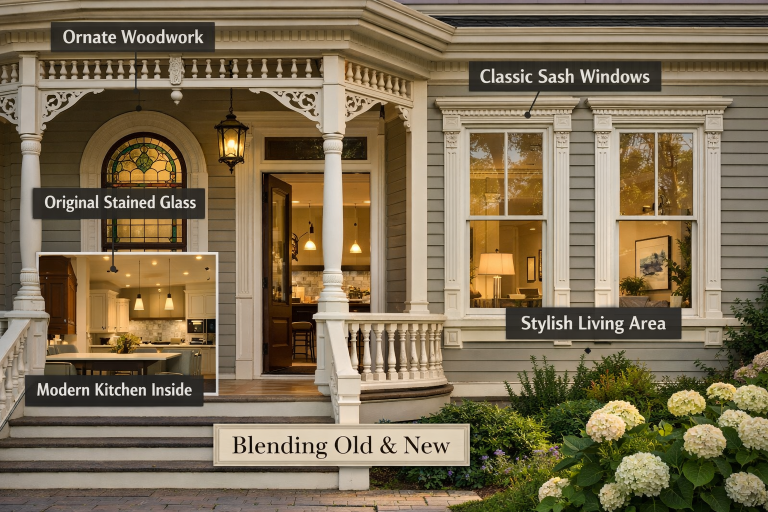
The revival of historic homes combines the irreplaceable charm of the past with the demands of modern living. Architectural enthusiasts and homeowners alike are increasingly recognizing the value of these time-honored structures for their craftsmanship, character, and unique stories. As interest in thoughtful restoration grows, finding the right partner can make a crucial difference. Trusted professionals, such as Architects Gladwyne, PA, are adept at blending reverence for tradition with the innovation required to meet today’s needs. When embarking on restoring a historic property, the goal is balance: honor the home’s original spirit while introducing upgrades that enhance comfort, sustainability, and functionality. This movement thrives on creative solutions that respect what came before while confidently looking toward the future.
Preserving Architectural Integrity
At the heart of every successful historic renovation lies an unwavering respect for the home’s original architectural attributes. Elements such as intricate millwork, time-worn hardwood floors, and architecturally significant facades capture the narrative and identity of an era. Projects that thrive treat these elements as a foundation around which new design pivots, rather than as obstacles to clear away. For example, a renovation in Connecticut skillfully preserved the English country charm of a 1930s home, proving that character and contemporary living can harmoniously fuse.
Preserving architectural integrity often requires research into the home’s origins, original blueprints, and even old photographs. Consulting historical societies or archives can uncover valuable insights that inform restoration decisions, ensuring each change is in context. Matching materials, using period-appropriate finishes, and employing traditional methods are all essential in honoring the work of past artisans. These thoughtful touches reinvigorate the home’s spirit, allowing it to continue telling its story for generations to come.
Modernizing Interiors
Inside these legacy homes, architectural integrity meets modern convenience through careful updates. Kitchens are often transformed into functional hubs for family gatherings, while bathrooms are fitted with contemporary fixtures, all designed to match the architectural narrative. Open floor plans and multi-purpose spaces are introduced thoughtfully, ensuring original features like fireplaces, moldings, and staircases remain focal points. The transformation is not simply about modernization but about creating a seamless aesthetic, where historic beauty meets modern ease.
Lighting design also plays a major role in modernizing interiors while maintaining a period feel. Layered lighting, utilizing a mix of ambient, task, and accent fixtures, helps highlight original details and new improvements alike. Rather than opting for a full overhaul, many designers employ subtle updates to complement the home’s personality, swapping outdated switches for smart dimmers or installing under-cabinet lighting in period-appropriate fixtures. Integrated storage solutions, such as built-in cabinetry, further boost functionality while respecting the flow of older layouts.
Sustainable Materials and Practices
The sustainability movement has reshaped how historic homes are updated. Renovators are increasingly sourcing low-impact materials, such as reclaimed timber, hempcrete, or recycled glass, helping to reduce a home’s embodied carbon while maintaining its authenticity. Sustainable renovation also means refurbishing what is already there rather than complete replacement. Techniques like repointing brickwork or restoring plasterwork minimize waste and maintain the original look. Sustainable practices are not only environmentally responsible but also cost-effective in the long run. Preservationists often recommend reusing original features, such as old doors or wood paneling, which reduces demand for new resources. Additionally, water-saving fixtures, eco-friendly paints, and energy-efficient appliances are commonly incorporated, further supporting a home’s green credentials and enhancing its long-term durability for future generations.
Enhancing Energy Efficiency
One of the chief challenges in reviving historic homes is improving energy efficiency without compromising character. Methods include discreetly upgrading insulation within walls and attics, installing energy-efficient windows that replicate the appearance of originals, and introducing high-efficiency HVAC systems. Smart thermostats and on-demand water heaters can provide further savings and comfort. These updates help reduce utility costs and environmental impact, while maintaining the property’s historic envelope. Solar panels can sometimes be considered for historic homes, provided they are installed in locations that don’t detract from the property’s façade or roofline. Meanwhile, weather-stripping, storm windows, and proper ventilation keep the house comfortable year-round. Utility rebates and tax incentives for energy-efficient upgrades may also be available, helping homeowners invest in their property’s future while respecting its storied past.
Incorporating Smart Home Technology
Integrating technology is essential for adapting historic homes to contemporary life. Today, discreet smart systems can manage everything from security cameras to climate control and lighting. These features can be installed with minimal impact on the home’s structure and style, helping homeowners enjoy the convenience of remote monitoring and efficient management while retaining the vintage appeal of their property.
For homeowners seeking even more convenience, voice-controlled assistants, wireless speaker systems, and automated window treatments can be seamlessly blended into the design. These innovations can be updated as technology evolves, ensuring that the historic home remains at the forefront of comfort and efficiency. Attention to cable management and device concealment ensures that even tech-equipped spaces maintain period-appropriate aesthetics.
Balancing Open and Defined Spaces
Open floor plans are favored in many modern designs, but overzealous demolition can erase the unique sense of place historic homes offer. Intelligent renovations preserve central walls, original room configurations, and purposeful nooks, fostering a sense of intimacy and distinction. Designers achieve openness through widened doorways, glass partitions, and flowing sightlines that remain respectful of historical boundaries. Retaining some definition between living areas also allows for specialized rooms, such as libraries or studies, which are often sought after in historic properties. By customizing layouts to suit the family’s routines, without stripping the house of its character, owners enjoy the benefits of both privacy and connection, making each space feel purposeful and inviting.
Landscape Integration
The setting of a historic home often forms an integral part of its story. Incorporating thoughtful landscaping that references the period and local ecology creates a seamless transition between interior and exterior. Features such as native planting, stone walkways, and heirloom gardens pay homage to the past, while sustainable irrigation systems and outdoor living spaces enhance usability for modern owners. The result is a holistic revival where home and landscape are in visual and practical harmony. Gardens can be used to further celebrate a property’s history, with heritage fruit trees, flower beds in traditional patterns, or original hardscape elements such as fences and gates. Outdoor spaces can be reimagined as extensions of the home, ideal for entertaining or relaxation. Adding subtle landscape lighting and thoughtfully chosen furniture ensures the outdoor environment complements the architectural legacy within.
Conclusion
Reviving historic homes is both an act of stewardship and creativity. By carefully preserving architectural details, making strategic updates, and focusing on sustainability, homeowners can enjoy the best of both worlds. The process creates distinctive homes that tell a compelling story while supporting the demands of contemporary living. The blending of tradition with innovation is where the true magic of historic renovation lies. The journey of restoring a historic home is ultimately about honoring the past while embracing the needs of today and tomorrow. In blending modern advancements and time-honored craftsmanship, these homes become living monuments, rich with character, comfort, and enduring value. Whether you are a seasoned renovator or a first-time restorer, cherishing both legacy and progress will ensure your historic home continues to inspire for generations ahead.