
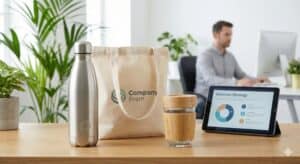
Sustainability has become a cornerstone of modern business strategy, influencing everything from product development to marketing. As consumers grow more environmentally conscious, brands are expected to demonstrate their commitment to responsible practices. One practical and effective way to meet this expectation is by incorporating reusable products into branding initiatives.
Reusables are no longer just eco-friendly novelties. They play a meaningful role in how brands communicate values, drive engagement, and remain relevant in a competitive market.
Aligning with Changing Consumer Expectations
Today’s consumers, especially younger ones, are driven by values. They look for brands that reflect their views on environmental and social responsibility, which is why many organisations now turn to sustainable promotional merchandise providers, branded products from Custom Gear, to support their marketing efforts. This shift has fuelled purpose-driven marketing, where actions matter as much as offerings.
Reusable items such as bamboo coffee cups, recycled tote bags, and stainless steel water bottles serve as visible, functional symbols of a brand’s environmental ethos. When a business provides a high-quality, reusable product, it reinforces a commitment to reducing waste. This not only strengthens customer relationships but also enhances brand perception as environmentally aware and forward-thinking.
Creating Long-Term Visibility
Traditional promotional products often have a short lifespan. Pens dry out, flyers are discarded, and plastic trinkets quickly lose appeal. In contrast, reusables are designed for repeated use, offering extended brand exposure over time.
When a customer carries a branded reusable bag to the supermarket or uses a promotional travel mug daily, the brand benefits from repeated, passive promotion. These daily-use items help build top-of-mind awareness without additional advertising spend. The more useful and well-designed the product, the more likely it is to become part of someone’s routine.
Reinforcing Brand Identity Through Utility
Reusable items offer a unique opportunity for brand storytelling. Because they are tangible, useful, and often portable, they serve as powerful extensions of a company’s values and aesthetics. A business focused on wellness might choose reusable smoothie tumblers, while a corporate office could distribute branded lunchboxes made from recycled materials.
The key is to select products that reflect the organisation’s character and resonate with the target audience. This reinforces authenticity, which is essential in a landscape where consumers are quick to identify token efforts or greenwashing.
By integrating brand identity into product selection, companies create deeper emotional connections. The product is no longer just a giveaway, but a representation of what the brand stands for.
Supporting Broader Sustainability Goals
Incorporating reusables into promotional strategies can also support wider environmental, social, and governance (ESG) objectives. For businesses working towards reducing their carbon footprint or eliminating single-use plastics, branded reusables serve as concrete, visible actions that support these goals.
They can also help companies stay ahead of regulation. With many regions moving to restrict or ban single-use plastics, reusables offer a compliant, proactive alternative. Rather than responding reactively to policy changes, businesses that embrace sustainable materials and practices early position themselves as responsible and innovative.
Boosting Employee Engagement and Culture
Brand strategy doesn’t stop with external audiences. Internal branding is equally important, and reusables can support this effort. Many organisations are using branded reusable items in the workplace to encourage sustainable habits and promote a shared sense of purpose.
For example, providing employees with reusable water bottles or coffee cups can reduce reliance on disposables while fostering pride in the brand. These items are both functional and symbolic, reinforcing company culture and values in everyday activities.
Lasting Impressions Through Lasting Products
As environmental concerns reshape the business landscape, reusables have become essential tools in the branding toolkit. They offer more than promotional value — they support authenticity, reinforce core values, and align with the expectations of today’s consumers. In doing so, they help brands remain relevant, respected, and responsible.