
Key Takeaways
- Juries in Des Moines play a decisive role in personal injury cases by evaluating fault, credibility, and determining the appropriate compensation.
- Clear, well-organized evidence and credible witness testimony have a strong influence on jury decisions.
- Local culture, demographics, and economic conditions can shape how jurors perceive claims and damages.
- Jury verdicts indicate a growing awareness of the true costs associated with serious injuries, which can sometimes result in higher awards.
- Because jury outcomes are inherently unpredictable, thorough legal preparation is essential for a fair result.
Introduction
The outcome of personal injury cases in Des Moines often rests in the hands of local juries, who play a crucial role in interpreting evidence, weighing testimonies, and ultimately delivering verdicts. As one of Iowa’s largest cities, Des Moines has a diverse jury pool whose perspectives can significantly influence trial results. Anyone seeking fair compensation for an injury should understand how these factors impact their case—and why legal preparation is so vital. Schedule a free consultation in Des Moines to discuss your unique situation and learn what to expect if your case goes to trial.
Juries in Des Moines bring their backgrounds, beliefs, and experiences with them into the courtroom. Their decisions often reflect local values, making it essential for both plaintiffs and defendants to approach each matter with a strategy that takes these nuances into account. This article explains how juries evaluate personal injury claims and provides insight into recent trends and local influences.
The Role of Juries in Personal Injury Cases
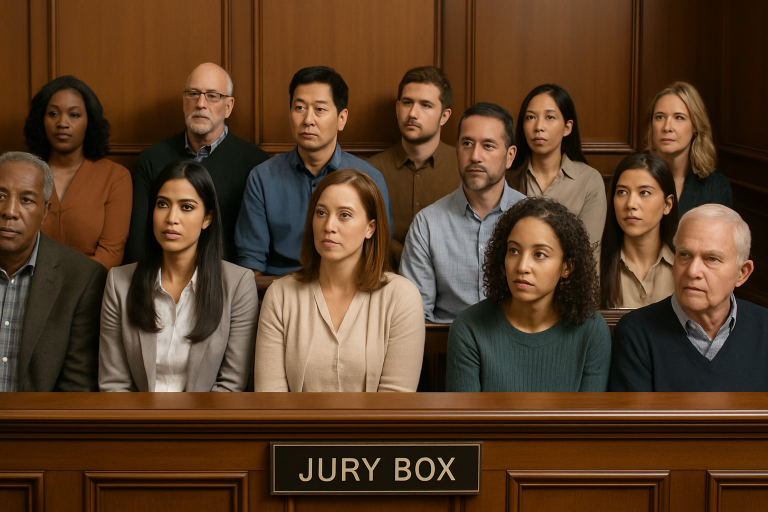
In the American judicial system, juries function as impartial decision-makers who listen to each side, evaluate the presented evidence, and decide whether and how much to award in damages. In personal injury cases, jurors consider who was at fault, how the injury affected the victim’s life, and what amount of money—if any—is fair and reasonable.
Unlike judges, who interpret laws and oversee proceedings, juries reflect community standards. They examine tangible evidence, listen to witness testimonies, and may be swayed by emotional appeals and the way attorneys present their cases.
Jury service is a civic duty, but it also comes with its challenges. Each juror must set aside their biases and make decisions based on fairness. These tasks can be difficult, especially in high-stakes personal injury trials where emotions frequently run high.
Factors Influencing Jury Decisions
Several factors can shape how juries in Des Moines arrive at their decisions in personal injury cases:
- Evidence Presentation: Jurors are more likely to side with parties whose legal teams provide clear, well-organized evidence—such as medical records, injury photographs, and detailed accident reports. Expert witnesses can clarify complex details, making it easier for jurors to grasp the extent of damages or causation. According to the Nolo Legal Encyclopedia, well-prepared evidence is often the deciding factor in close cases.
- Witness Credibility: The trustworthiness and demeanor of witnesses, particularly the injured party and any medical professionals, significantly impact the persuasiveness of their testimony. Inconsistent statements or visible signs of nervousness can raise doubts in the minds of jurors.
- Legal Instructions: After both sides present their cases, judges provide explicit instructions on the law, explaining legal concepts such as “comparative negligence” and what constitutes a reasonable standard of care. Jurors must apply these rules to the facts, and sometimes, differences in interpretation can sway the final verdict.
Additionally, factors like body language, the complexity of medical terminology, and whether either side appears overly aggressive can indirectly influence perceptions.
Recent Trends in Des Moines Jury Verdicts
Tracking past jury verdicts can help predict how current juries might rule. In Des Moines, there has been a noticeable shift toward larger awards in significant cases, reflecting perhaps a greater understanding of the true costs of severe injuries. For example, a high-profile wrongful termination case in Polk County in 2025 resulted in a $4.26 million verdict for the plaintiff, underlining juries’ willingness to hold defendants accountable for major harm.
While not every claim results in a multi-million-dollar award, there is evidence that sympathetic plaintiffs who present strong documentation are favored in many Des Moines courts.
The Impact of Local Culture and Demographics
Demographics and cultural context shape the way juries in Des Moines perceive lawsuits. Factors such as age, socioeconomic background, and prevailing attitudes toward litigation all play a role. Generally, a jury drawn from a community with strong values of personal responsibility may scrutinize claims more closely for signs of exaggeration or fraud. Conversely, jurors from areas with a heightened awareness of workplace safety or medical expenses may be more inclined to award substantive damages.
Economic factors also come into play. When local economies are struggling, jurors may be less likely to award serious damages, while periods of prosperity can lead to larger verdicts. Des Moines’ steady growth and increasing diversity may also be contributing to more varied jury outcomes, as new perspectives converge.
Challenges in Predicting Jury Outcomes
Even seasoned attorneys can only estimate jury outcomes; no formula guarantees a verdict. The unpredictability of human nature means two juries may arrive at entirely different decisions even if confronted with the same facts. Differences in juror attitudes, personal experiences with injuries or insurance companies, and interpretations of evidence all add layers of complexity.
Attorneys preparing for trial must plan for a range of possibilities. Focus groups and mock trials are often used to test arguments and refine strategies before presenting to a live jury. Preparing clients to testify credibly and ensuring all exhibits are clearly explained can further help manage jury impressions.
Final Thoughts
For those seeking justice in a Des Moines personal injury case, understanding local jury dynamics is invaluable. The most successful outcomes are achieved by adapting legal strategy to address factors such as the quality of evidence, credibility of witnesses, and local community standards. Staying informed about these elements gives both plaintiffs and defendants a critical advantage in the courtroom.
By recognizing the power of juries and understanding the influences that guide their decisions, litigants and attorneys alike can better position themselves for a fair and thoughtful resolution.