
Key Takeaways
- Regular inspections can identify potential roofing problems early.
- Addressing minor issues promptly can prevent extensive damage.
- Professional maintenance enhances the longevity of your roof.
Table of Contents
- Roof Leaks and Water Intrusion
- Damaged or Missing Shingles
- Poor Roof Installation
- Flashing Failures
- Clogged Gutters and Drainage Problems
- Ponding Water on Flat Roofs
- Ventilation Issues
- Storm and Hail Damage
- Conclusion
Maintaining a secure roof is essential for protecting your home from the elements and ensuring the safety of everyone inside. Over time, wear and tear, as well as unpredictable weather, can create a variety of problems that require prompt attention. By becoming familiar with these common roofing issues, you can make informed decisions that reduce the risk of extensive damage. For those seeking reliable roofing repairs in Florida, understanding these problems is the first step to long-term roof health.
Minor issues like missing shingles or drainage problems can escalate if ignored. Regular checkups or partnering with a trusted roofing contractor help avoid costly damage, extending your roof’s lifespan. Besides weather threats, poor installation or construction flaws weaken your roof, especially in humid, storm-prone areas. Early intervention and professional inspections protect your home and investment, preventing minor issues from worsening quickly in climate-sensitive regions.
Roof Leaks and Water Intrusion
One of the most distressing issues for homeowners is discovering a roof leak. Leaks can originate from various sources, including damaged shingles, failed flashing, or poorly sealed roof penetrations. While a slow drip may seem minor, water intrusion can quickly lead to mold, rotting wood, and compromised structural integrity. According to Angi, even small leaks should be addressed immediately to avoid serious repairs down the line. Regularly checking your attic and ceilings after storms can help catch leaks early.
Damaged or Missing Shingles
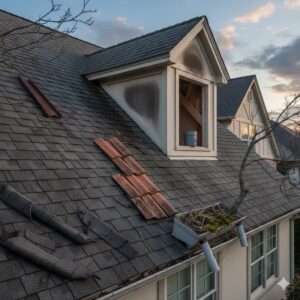
Shingles act as your roof’s main defense against sun, wind, and rain. Over time, shingles can become brittle and break, especially after severe weather such as hail or strong winds. Missing or broken shingles expose the underlayment and decking, making your home vulnerable to leaks and water damage. Homeowners should visually inspect their roofs for lifted, cracked, or missing shingles, particularly after major storms. Prompt replacement is key to ensuring the overall effectiveness of the roof.
Poor Roof Installation
The longevity of your roof is determined as much by the quality of installation as by the materials used. Poor installation often results in frequent leaks, shingle blow-offs, and premature wear. If you find yourself repeatedly calling for repairs or notice persistent issues, a comprehensive inspection by a reputable roofing contractor is necessary. In some cases, it may be more cost-effective to replace a poorly installed roof than to continually pay for short-term fixes.
Flashing Failures
Flashing is critical for preventing water from seeping into vulnerable areas where the roof meets vertical surfaces, such as chimneys, skylights, or vents. When flashing degrades or becomes loose, water can infiltrate and cause leaks in ceilings and walls. Corrosion, improper installation, and weathering are common causes of flashing failure. Ensuring that flashing is properly sealed and routinely inspected will reduce your risk of water damage in these sensitive spots.
Clogged Gutters and Drainage Problems
Gutter systems are designed to funnel water away from your roof and your home’s foundation. Clogged gutters from debris like leaves, twigs, or shingle granules can prevent proper water flow. This can cause water to back up under the shingles or overflow along the fascia, potentially rotting wood and leading to interior leaks. Angi recommends cleaning your gutters at least twice a year to ensure optimal drainage and protection.
Ponding Water on Flat Roofs
Flat roofs are particularly susceptible to standing (ponding) water after heavy rain. Poor drainage, insufficient slope, or clogged scuppers can allow water to accumulate and remain on the roof surface for extended periods. This can accelerate material breakdown and increase the risk of leaks. To avoid these problems, it is critical to design flat roofs with effective drainage and to inspect them after each storm for standing water.
Ventilation Issues
Proper attic and roof ventilation supports healthy airflow, which regulates temperature and moisture levels. Inadequate ventilation can cause insulation to become damp, shingles to overheat, and mold to form in attic spaces. This can shorten your roof’s lifespan and lead to higher utility bills due to increased cooling needs. If your attic regularly feels humid or unusually warm, consult with a roofing specialist to review your ventilation system and consider necessary improvements.
Storm and Hail Damage
Extreme weather, such as thunderstorms, hurricanes, or hail, can quickly damage roofs, with high winds tearing shingles and hail puncturing roofing materials. After storms, inspect your roof or have a professional check it to prevent leaks, insulation damage, or further issues. Regular inspections, repairs, and expert advice help protect your home, extend roof life, and prevent costly repairs caused by neglect or delay.
Conclusion
Maintaining a healthy roof requires vigilance, timely repairs, and proper preventive measures. From addressing leaks, damaged shingles, and flashing failures to ensuring effective drainage, ventilation, and storm readiness, each step plays a crucial role in protecting your home from water damage and structural issues. Regular inspections, prompt repairs, and professional guidance not only extend the life of your roof but also safeguard your investment and maintain the comfort and safety of your home. By staying proactive, homeowners can prevent costly problems and ensure their roof continues to perform reliably for years to come.