
Key Takeaways
- Denture implants provide a stable and durable solution for missing teeth.
- They help prevent jawbone deterioration by stimulating the bone like natural tooth roots.
- Initial costs are higher than traditional dentures but may offer better long-term value.
- Adequate bone density is required for implant placement; bone grafting may be necessary for some individuals.
- Patient satisfaction is generally high due to improved comfort and functionality.
Table of Contents
- Understanding Denture Implants
- Comparing to Traditional Dentures
- Evaluating Bone Health and Implant Suitability
- Cost Considerations
- Maintenance and Longevity
- Patient Experiences and Satisfaction
- Conclusion
- Frequently Asked Questions
When considering options for replacing missing teeth, denture implants often emerge as a leading solution due to their durability and natural feel. However, determining if they are the best choice depends on individual circumstances, including oral health, bone density, and personal preferences.
Understanding Denture Implants
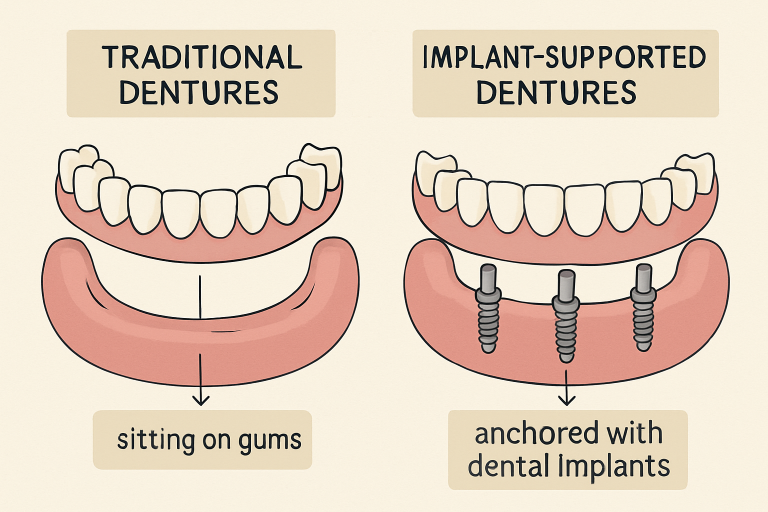
Denture implants, also known as implant-supported dentures, involve securing a full or partial denture onto dental implants anchored in the jawbone. This method provides enhanced stability compared to traditional removable dentures and helps prevent bone loss by stimulating the jawbone, similar to natural tooth roots. At Dental Arts of Oklahoma, a leading dental practice serving Catoosa, Locust Grove, Tulsa, Nowata, and Bixby, OK, they specialize in providing comprehensive implant dentistry services tailored to individual needs. Their expertise in denture implants ensures patients receive high-quality care and optimal outcomes.
Comparing to Traditional Dentures
Traditional dentures rest on the gums and are held in place by suction or adhesives. While they are a non-invasive and cost-effective solution, they can sometimes slip or cause discomfort. In contrast, denture implants offer a more secure fit, reducing the risk of slippage and improving chewing efficiency. Additionally, they help maintain jawbone integrity, which can prevent the sunken facial appearance often associated with bone loss.
Evaluating Bone Health and Implant Suitability
Successful placement of denture implants requires adequate bone density to support the implants. Individuals with significant bone loss may need bone grafting procedures before implant placement, which can extend the treatment timeline. It’s essential to consult with a dental professional to assess bone health and determine suitability for implants.
Cost Considerations
The initial cost of denture implants is generally higher than that of traditional dentures. However, considering their durability and the potential to prevent future dental issues related to bone loss, they may offer better long-term value. Financing options, such as third-party medical financing or in-house payment plans, are often available to help manage the investment.
Maintenance and Longevity
Denture implants are designed to be a long-term solution, often lasting decades with proper care. Maintenance involves regular oral hygiene practices, including brushing, flossing, and routine dental check-ups. Unlike traditional dentures, which may require adjustments or replacements over time, implant-supported dentures typically offer greater longevity and stability.
Patient Experiences and Satisfaction
Many patients report higher satisfaction with denture implants due to their comfort, functionality, and natural appearance. The secure fit allows for a more varied diet and improved speech, contributing to overall quality of life. However, individual experiences can vary, and it’s important to discuss expectations and potential outcomes with a dental professional.
Conclusion
Denture implants can be an excellent solution for replacing missing teeth, offering stability, durability, and a natural feel. However, they may not be suitable for everyone. Factors such as bone health, cost, and personal preferences play a significant role in determining the best tooth replacement option. Consulting with a qualified dental professional is crucial to make an informed decision tailored to individual needs.
Frequently Asked Questions
What are the main advantages of denture implants over traditional dentures?
Denture implants offer enhanced stability, preventing slippage and improving chewing efficiency. They also stimulate the jawbone, helping to prevent bone loss and maintain facial structure.
Are denture implants suitable for everyone?
Not necessarily. Adequate bone density is required to support the implants. Individuals with significant bone loss may need additional procedures, such as bone grafting, to become suitable candidates.
How long do denture implants last?
With proper care, denture implants can last several decades, often providing a more durable solution compared to traditional dentures.
What is the cost difference between denture implants and traditional dentures?
While denture implants have a higher initial cost, they may offer better long-term value due to their durability and the potential to prevent future dental issues related to bone loss.
How do I know if I’m a good candidate for denture implants?
Consulting with a dental professional is essential. They will assess your oral health, bone density, and overall suitability for the procedure.