
The Evolution of Industrial Weighing Equipment
The landscape of industrial weighing has undergone a remarkable transformation, evolving from rudimentary mechanical scales to sophisticated digital systems. At the heart of this evolution lies the load cell, a transducer that converts force into an electrical signal. Early weighing systems were often cumbersome, requiring significant infrastructure and manual intervention. However, advancements in load cell technology, combined with digital integration, have revolutionized how industries measure weight.
Modern truck scales, whether fixed or portable, rely on an array of load cells—typically between six and twelve—strategically placed beneath a weighbridge. These cells are compressed by the weight of a vehicle, generating precise electrical signals that are then aggregated by a junction box. This collective signal is translated into a clear, digital weight reading, offering unprecedented accuracy and throughput compared to their predecessors. The continuous innovation in this field, often spearheaded by companies with decades of experience, has led to highly dependable and efficient weighing solutions. For those seeking cutting-edge solutions, exploring Walz industrial portable scales can provide a glimpse into the advanced options available today.
Integrating Industrial Weighing Equipment with IoT
The advent of the Internet of Things (IoT) has propelled industrial weighing into a new era of connectivity and intelligence. Modern weighing equipment can now be integrated into broader digital ecosystems, offering cloud connectivity and real-time monitoring capabilities. This means that weight data is no longer confined to a local display but can be accessed and analyzed remotely from anywhere in the world.
IoT integration facilitates predictive maintenance, allowing systems to flag anomalies or potential issues, such as temperature fluctuations or power supply problems, before they lead to costly downtime. Automation is significantly enhanced, with scales capable of performing auto-calibration and transmitting data directly to enterprise resource planning (ERP), customer relationship management (CRM), and accounting systems. This seamless data flow streamlines operations, automates the collection of gross, tare, and net weights, and provides valuable insights for operational optimization.
Impact on Supply Chain Transparency
The integration of advanced weighing technology, particularly with IoT capabilities, has a profound impact on supply chain transparency. Accurate weight measurements are fundamental to ensuring compliance with legal weight limits, preventing costly fines, and enhancing road safety. Beyond regulatory adherence, these systems offer robust tools for inventory management, providing real-time data on material quantities.
The digital nature of modern weighing systems also plays a crucial role in fraud prevention. Features like driver verification, surveillance integration, and detailed transaction logging create comprehensive audit trails, making it difficult to manipulate weight data. Furthermore, the ability to classify materials based on weight and volume contributes to better resource allocation and operational efficiency. By optimizing loads, monitoring driver performance, and managing inventory more effectively, businesses can achieve significant cost savings and improve overall supply chain integrity.
How to Weigh a Truck with Portable Scales
Portable truck scales offer unparalleled flexibility, allowing businesses to conduct weighing operations precisely where and when they are needed, without the need for permanent infrastructure. These systems typically consist of individual axle weighers or wheel load scales, designed with a low-profile for easy access and mobility.
To effectively weigh a truck using portable scales, a systematic approach is essential:
- Site Selection and Preparation: Choose a flat, stable surface, such as concrete or compacted gravel. An uneven or soft surface can significantly compromise accuracy. Ensure the area is clear of debris.
- Scale Deployment: Position the individual scale pads (axle weighers or wheel load scales) directly in the path of the truck’s wheels or axles. For multi-axle vehicles, ensure all axles can be weighed either simultaneously or sequentially with consistent placement. Many systems include ramps for easy vehicle access onto the low-profile scales. Some portable weigh-in-motion (WIM) systems can be deployed by two people in under 15 minutes.
- Vehicle Positioning: Slowly drive the truck onto the scales. For static weighing, ensure each axle or set of wheels rests entirely and squarely on its designated scale pad. The truck should be level and stationary.
- Weight Measurement: Once the truck is correctly positioned and stable, the load cells within the scales will measure the weight. The readings will be displayed on a digital indicator, which may be connected wirelessly or via cable. For individual axle scales, each axle’s weight is recorded separately.
- Gross Vehicle Weight (GVW) Calculation: To determine the total GVW, sum the weights of all individual axles. If the tare weight (the weight of the empty truck) is known, subtracting it from the GVW will provide the net load weight.
- Data Recording and Analysis: Record the measurements. Many modern portable scales offer connectivity options to transmit data to software for further analysis, reporting, and compliance checks.
- Dismantling and Transport: After weighing, the scales can be easily dismantled, packed, and transported to the next location, highlighting their inherent flexibility.

Calibration Standards for Industrial Weighing Equipment
The accuracy of any weighing system, especially portable scales used for commercial or legal purposes, hinges on proper calibration. Calibration ensures that the scale provides consistent and reliable measurements within acceptable tolerance levels. Regulatory bodies like the National Institute of Standards and Technology (NIST) set stringent guidelines for weighing equipment, and certifications such as NTEP (National Type Evaluation Program) Class IIII are often required for legal-for-trade applications.
Calibration involves using certified test weights to verify and adjust the scale’s readings against known standards. This process should ideally be performed by professional technicians. While initial certification is typically handled by state weights and measures entities, routine calibration is crucial for ongoing accuracy. Environmental factors such as temperature fluctuations, humidity, and even electrical currents can impact scale performance, necessitating regular checks. Most experts recommend calibrating portable scales at least once a year, or more frequently depending on usage intensity and environmental conditions. This routine maintenance is vital to prevent financial losses from inaccurate measurements and to ensure continuous regulatory compliance.
Weigh-in-Motion (WIM) Technology Advancements
Weigh-in-Motion (WIM) technology represents a significant advancement in portable truck weighing, offering a balance between speed and accuracy. Unlike static scales that require a complete stop, WIM systems allow trucks to be weighed while maintaining a low speed, typically up to 3 to 5 miles per hour. This capability dramatically improves throughput, making it ideal for high-volume operations or roadside enforcement where minimizing traffic disruption is critical.
Portable WIM scales utilize advanced sensors embedded in low-profile pads that capture axle weights as a vehicle drives over them. These systems can dynamically measure individual axle weights, total gross vehicle weight, and even detect axle spacing for vehicle classification. While dynamic accuracy for WIM scales typically ranges from 2-3%, many advanced portable WIM systems offer a static mode, which can be activated with a simple push-button, providing a higher accuracy of ±0.5% for more precise measurements when needed. The rapid deployment time—often less than 15 minutes for a complete system—further enhances their utility in temporary or rapidly changing operational environments.
On-Board Weighing Systems for Heavy Machinery
Beyond ground-based portable scales, another category of mobile weighing solutions includes on-board weighing systems, particularly prevalent in heavy machinery. These systems are integrated directly into vehicles such as wheel loaders, skid steers, forklifts, and material handlers, providing real-time weight data during operation.
On-board scales typically employ hydraulic sensors or pressure transducers that measure the pressure changes in the vehicle’s hydraulic system as a load is lifted or carried. For trucks with air-ride suspensions, pressure sensors in the air lines provide axle group weights with a typical accuracy of ±300 pounds. For spring or mechanical suspensions, deflection sensors measure axle flex, offering an accuracy of around ±3% per axle group. The primary benefit of these systems is immediate payload management, allowing operators to optimize loads, prevent overloading, and enhance safety without having to drive to a separate weigh station.
Precision in Material Handling
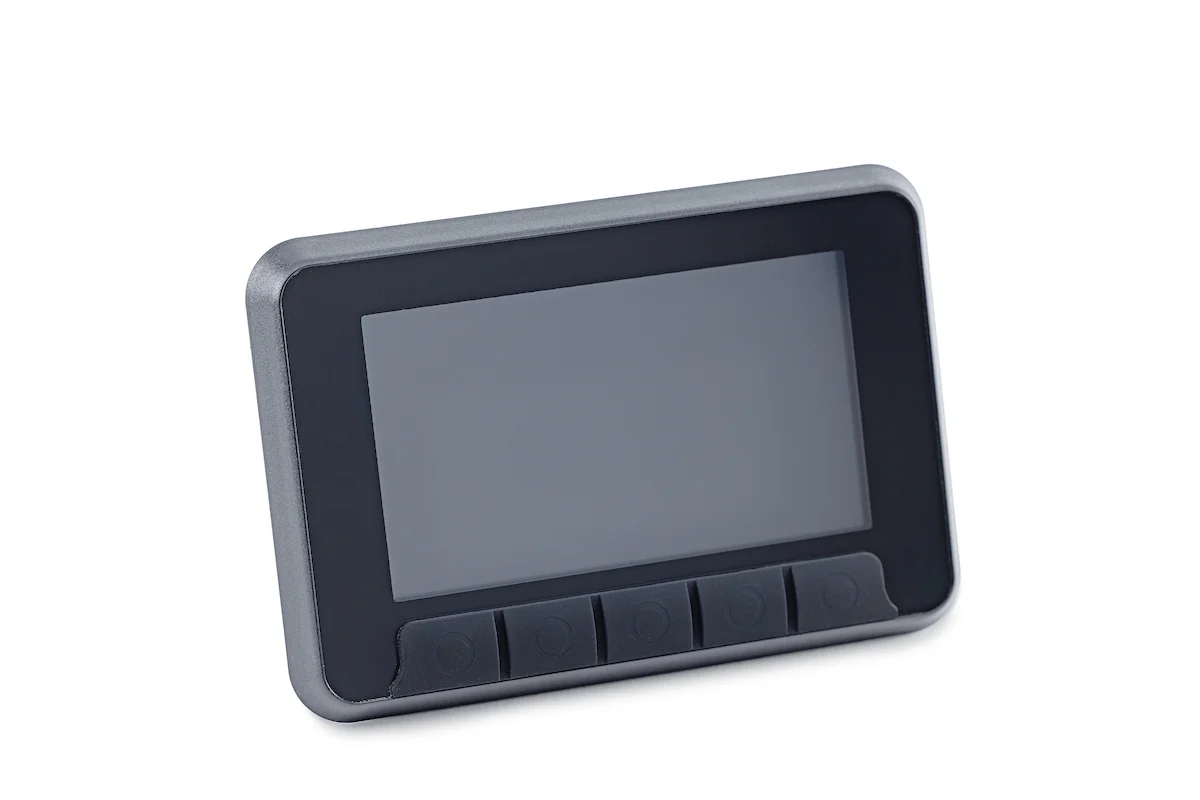
The application of on-board weighing systems in material handling operations significantly boosts efficiency and precision. Bucket scales, integrated into the loading arms of wheel loaders, provide instant feedback on the weight of material in each scoop, ensuring that trucks are loaded to their optimal capacity without exceeding legal limits. Similarly, lift truck scales on forklifts allow for accurate weighing of pallets and goods as they are moved, streamlining inventory management and shipping processes.
This real-time data flow translates into several operational advantages. It helps prevent equipment strain and ensures axle compliance for trucks at construction or aggregate sites. By optimizing each load, businesses can reduce cycle times, improve fuel efficiency, and minimize wear and tear on machinery. In demanding environments like mining, on-board scales are crucial for monitoring vehicle weights, whether above or below ground, ensuring safe and compliant operations.
Comparing Portable and Fixed Weighing Solutions
When considering weighing solutions for industrial applications, businesses often face a choice between portable and fixed systems. Each offers distinct advantages tailored to different operational needs.
Fixed weighbridges, typically permanent installations embedded in concrete, are ideal for high-traffic facilities with consistent weighing requirements. They offer robust durability and often the highest levels of static accuracy, making them suitable for continuous, high-volume operations. However, their infrastructure costs are substantial, requiring significant civil engineering work and a lengthy installation time.
Portable truck scales, on the other hand, prioritize flexibility and mobility. They require minimal site preparation, often just a flat, stable surface, and can be deployed quickly. This makes them an excellent solution for temporary job sites, seasonal operations, or situations where weighing needs change frequently. While some portable systems may have slightly lower accuracy tolerances than their fixed counterparts in certain dynamic modes, their convenience and lower initial investment often outweigh this difference for many applications.
Here’s a comparison:
Feature Portable Axle Scales Permanent Weighbridges Infrastructure Minimal (flat ground, optional ramps) Significant (concrete foundation, pits) Installation Time Quick (minutes to hours) Lengthy (days to weeks/months) Site Flexibility High (can be moved between locations) Low (fixed to one location) Durability Designed for rugged, mobile use Highly durable, built for continuous heavy traffic Initial Cost Lower Higher Accuracy Good (±0.25% per axle, ±1% GVW; WIM 2-3% dynamic) Excellent (typically higher static accuracy) Throughput Moderate (static) to High (WIM) High Choosing the Right System for Commercial Value
Selecting the optimal weighing system is a strategic decision that directly impacts commercial value, compliance, and operational efficiency. Several factors should guide this choice:
- Capacity Requirements: Ensure the chosen scale has a weight capacity that not only meets current needs but also provides a safety margin for future growth or heavier loads.
- Traffic Volume: For facilities with continuous, high-volume truck traffic, a permanent weighbridge might offer better long-term throughput and lower per-weighment costs. For intermittent or variable traffic, portable scales are more cost-effective.
- Legal-for-Trade Needs: If weighing is for commercial transactions or enforcement, ensure the scale is NTEP certified and meets all relevant legal-for-trade standards.
- Future-Proofing: Consider systems that can integrate with existing software, offer data connectivity, and can adapt to evolving regulatory requirements.
- Safety Margins: Investing in durable scales with overload protection and robust construction is crucial, especially in harsh industrial environments, to ensure longevity and consistent performance.
Portable scales are particularly advantageous for operations that need to avoid the long-term infrastructure investment of fixed scales, offering flexibility for temporary, seasonal, or multi-site use.
Ensuring Accuracy through Professional Maintenance
The longevity and accuracy of industrial weighing equipment, especially portable scales subjected to varied conditions, depend heavily on consistent and professional maintenance. Neglecting maintenance can lead to inaccurate readings, potential fines, and operational inefficiencies.
Key maintenance practices include:
- Regular Cleaning: Dirt, debris, and foreign objects can accumulate around load cells and under scale platforms, interfering with accurate measurements. Routine cleaning with a broom or appropriate cleaning tools is essential.
- Load Cell Inspection: Periodically inspect load cells for any signs of damage, corrosion, or wear and tear. Ensure they are properly seated and protected.
- Junction Box Testing: The junction box, which aggregates signals from multiple load cells, should be checked for moisture ingress or electrical issues that could distort readings.
- Software Updates: For integrated digital systems, ensure software is regularly updated to leverage the latest features, bug fixes, and security enhancements.
- Professional Calibration and Certification: As discussed, routine calibration by certified technicians is paramount. These professionals can identify subtle issues, perform necessary adjustments, and provide calibration certificates, which are often required for compliance. They also inspect for common issues like inclination or external device failures, ensuring the scale functions optimally.
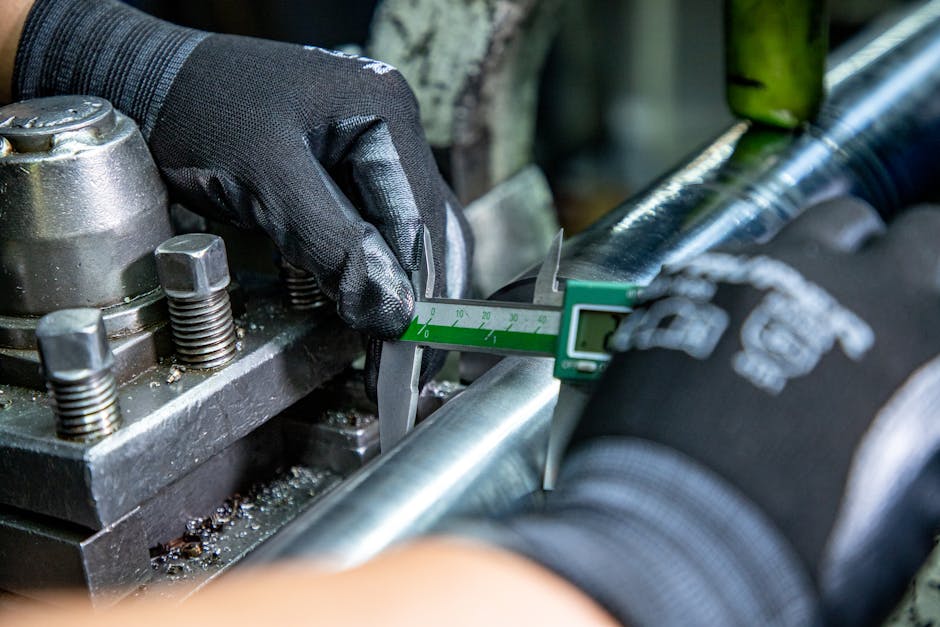
Proactive maintenance not only extends the lifespan of the equipment but also safeguards against the financial losses that can result from even minor inaccuracies. For instance, an inaccuracy of just 200 pounds per truckload, across a high volume of trucks, can lead to significant annual revenue losses.
Frequently Asked Questions about Industrial Scales
How accurate are portable truck scales compared to fixed weighbridges?
Portable truck scales offer excellent accuracy, typically providing measurements within 0.25% per axle and 1% for the overall gross vehicle weight. Portable weigh-in-motion (WIM) systems achieve dynamic accuracy of 2-3%, and when switched to static mode, can reach ±0.5%. While fixed weighbridges generally offer slightly higher static accuracy, the difference is often negligible for many applications, especially when portable scales are properly calibrated and used on level ground.
Can portable scales be used for legal-for-trade applications?
Yes, many portable scales are designed and certified for legal-for-trade applications. Look for scales with NTEP (National Type Evaluation Program) Class IIII certification, which signifies they meet stringent regulatory standards for commercial transactions and enforcement. It’s important to verify that the specific model and its calibration meet the legal requirements of your jurisdiction.
What is the difference between static and dynamic (WIM) weighing?
Static weighing requires the vehicle to come to a complete stop on the scale for a measurement. This method generally offers the highest level of accuracy. Dynamic weighing, or Weigh-in-Motion (WIM), allows vehicles to be weighed while moving at a low speed (typically 3-5 mph). WIM systems prioritize throughput and efficiency, making them suitable for high-volume traffic monitoring or preliminary screening. Many advanced portable WIM scales offer the flexibility to switch between dynamic and static modes, providing both speed and precision as needed.
Conclusion
The advancements in industrial weighing and scanning, particularly with the proliferation of portable truck scales, have fundamentally changed how industries manage their heavy loads. From enhancing operational efficiency and ensuring regulatory compliance to preventing costly errors and improving safety, accurate weighing is a strategic investment.
Portable scales offer a flexible, cost-effective alternative to traditional fixed weighbridges, enabling businesses to conduct precise measurements directly at the point of need. Coupled with IoT integration, these systems provide real-time data, predictive maintenance capabilities, and increased supply chain transparency. By understanding the different types of scales, adhering to proper weighing procedures, and committing to regular calibration and maintenance, businesses can optimize their operations and navigate the complexities of modern logistics with confidence. The future of industrial weighing is undoubtedly data-driven, precise, and increasingly mobile.