
Key Takeaways
- Blockages or buildup can cause smoke to back up into your living areas.
- Foul or unusual odors from your fireplace often indicate underlying issues.
- Visible soot, creosote, or masonry deterioration signals serious fire and safety risks.
- Wildlife activity and moisture can compromise the integrity of your chimney.
- Timely inspection and repair are vital for safe winter fireplace use.
Table of Contents
- Introduction
- Smoke Backing Up into the Home
- Unpleasant Odors from the Fireplace
- Visible Soot or Creosote Buildup
- Animal Noises or Debris in the Chimney
- Cracked or Deteriorating Masonry
- Difficulty Starting or Maintaining a Fire
- Presence of White Staining (Efflorescence)
- Rust on the Damper or Firebox
- Conclusion
As cooler weather approaches, many homeowners look forward to relaxing by the fire with friends and family. Before enjoying your fireplace this season, it’s critical to ensure your chimney is safe and functioning correctly. Failing to address early warning signs can put your home and health at serious risk. Whether you’re experiencing smoky living spaces, strange odors, or noticing exterior damage, recognizing when to seek chimney repair Atlanta GA can keep your winter safe and comfortable.
Regular chimney maintenance isn’t just about efficiency—it’s a key part of preventing hazards like fires and carbon monoxide buildup. Inspecting for damage or obstructions before the first burn ensures your heating system runs as intended. In this guide, you’ll learn about the most crucial signs that your chimney needs attention and when to call in the professionals to safeguard your home and family.
Smoke Backing Up into the Home
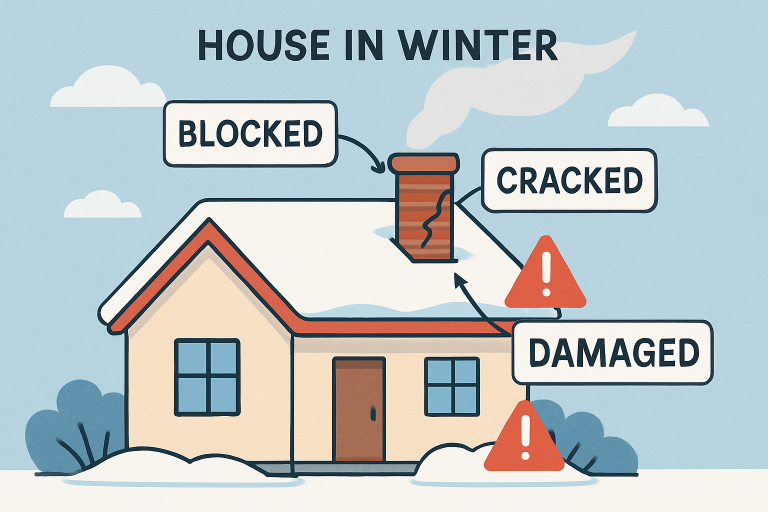
One of the most obvious signs that your chimney needs attention is when smoke fails to exit through the flue and instead seeps into your living area. This typically indicates a blockage, which can be caused by soot, creosote buildup, animal nests, or even deteriorating interior masonry. Not only does this create an uncomfortable environment, but it also exposes you to harmful gases such as carbon monoxide. The National Fire Protection Association (NFPA) strongly recommends annual chimney inspections to prevent these dangers.
Unpleasant Odors from the Fireplace
Unpleasant smells coming from your fireplace—even when it’s not in use—can indicate serious chimney health issues. Pungent, smoky, or musty odors often result from creosote deposits. Moisture inside the chimney, sometimes due to leaks or inadequate ventilation, can also mix with these deposits, amplifying any odor. If ignored, these odors aren’t just offensive—they point to underlying ventilation or moisture problems that warrant professional assessment.
Visible Soot or Creosote Buildup
Regular fireplace users should inspect for sticky, black, or shiny residue along the flue or damper. This substance—creosote—is highly flammable and the leading cause of chimney fires, according to the U.S. Consumer Product Safety Commission. Even a thin layer poses a risk; too much buildup can also restrict air flow, making your fireplace less efficient. Scheduling an annual chimney cleaning is the best way to ensure your home’s safety.
Animal Noises or Debris in the Chimney
If you’re hearing scratching, chirping, or rustling from the chimney, birds, squirrels, or even raccoons may have settled in. These animals bring in nesting material and debris, clogging the flue and posing significant fire hazards if left unchecked. Sometimes you’ll even find bits of leaves, twigs, or feathers inside the fireplace itself. If you suspect animal activity, contact a chimney specialist to humanely remove wildlife and install a cap to prevent future intrusion.
Cracked or Deteriorating Masonry
Inspecting the outside of your chimney is just as important as checking the inside. Cracked bricks, crumbling mortar, or missing masonry pieces can signal water intrusion, freeze-thaw damage, or structural issues that worsen during cold weather. Over time, even small amounts of moisture infiltration can lead to more severe problems, such as chimney collapse or serious leaks inside your home. If any damage is visible, contact a professional for a thorough assessment and prompt repairs to maintain the integrity of your chimney.
Difficulty Starting or Maintaining a Fire
Struggling to light a fire or keep it burning, even with plenty of dry wood, could indicate a restricted flue or a failing damper. Blocked airflow hinders combustion, which not only makes fires difficult to maintain but can also cause smoke to enter your living space. If you notice these issues, schedule a chimney inspection before continuing to use it.
Presence of White Staining (Efflorescence)
Chalky, white stains on the outer surface of your chimney are a sign of efflorescence—a result of water carrying salts through the masonry. While easy to wipe away, these stains warn of ongoing moisture issues that could damage bricks and mortar. Left unaddressed, this moisture can worsen over time, leading to extensive repairs or even structural failure. Treating efflorescence requires sealing leaks and restoring the affected sections of masonry.
Rust on the Damper or Firebox
Corrosion or rust on metal components, such as the damper or inside the firebox, points directly to moisture entering your chimney. This can happen due to faulty flashing, a missing chimney cap, or deteriorated masonry. Rust impacts the function of these parts and can further accelerate damage if moisture isn’t stopped. If you notice rust, have a professional inspect the entire chimney system to find and resolve the source of moisture.
Conclusion
Recognizing the signs of chimney problems is the first step in keeping your home safe and your fireplace efficient throughout the winter. From smoke backup and odd odors to visible buildup and masonry damage, minor issues can easily escalate into larger, more costly repairs—or even more serious hazards—if left unaddressed. Make chimney inspections and cleanings an annual priority, and don’t hesitate to consult a professional at the first sign of trouble to ensure a secure, cozy winter season for your family.

