
Key Takeaways
- Advanced driver-assistance systems (ADAS) are reducing accident rates and influencing liability assessments.
- Artificial intelligence expedites claims processing and increases accuracy.
- Dashcam footage serves as objective evidence and deters fraudulent claims.
- Telematics provides real-time driving insights, influencing insurance premiums and decisions regarding fault.
- Autonomous vehicle technology introduces new challenges for liability, shifting responsibility toward manufacturers in some cases.
The automotive world is experiencing a rapid technological revolution that’s affecting everything from the vehicles on the road to the way accident claims are handled after a collision. Recent innovations in vehicle safety, claims processing, and data collection are transforming the post-accident experience for drivers, insurers, and legal professionals alike. Whether you’re a driver equipped with advanced technology or you require legal guidance following an accident, connecting with an experienced NY car accident lawyer can be crucial to navigating these modern complexities.
Leveraging new technologies, such as advanced driver-assistance systems (ADAS), artificial intelligence (AI), and telematics, enables faster claim resolutions, more accurate liability determinations, and a safer overall driving environment. However, just as these tools offer benefits, they also raise new questions about privacy, cost, and responsibility when things go wrong.
Advanced Driver-Assistance Systems (ADAS)
Over the last decade, the widespread adoption of ADAS features—such as emergency braking, collision avoidance, lane-keeping assist, and adaptive cruise control—has dramatically improved driver safety. These systems are built to detect possible hazards, warn drivers, and even take corrective actions to prevent a crash. While ADAS does not eliminate accidents, it reduces the risk of severe collisions and, as a result, is starting to impact how liability is determined in accident claims.
The legal process may now consider the role of technology in the incident. If a crash occurs despite a vehicle’s advanced safety features, investigators may look at whether ADAS failed, was disabled, or was misused. As cars inch closer to full autonomy, blame could shift away from drivers to manufacturers or software providers—raising important questions for insurers, drivers, and lawyers. For a deep dive into how these changes are affecting insurance and liability frameworks, read this Reuters analysis of self-driving car liability.
Artificial Intelligence in Claims Processing
Insurance companies have begun using sophisticated AI-powered tools to analyze accident documentation, review telematics data, and even scan social media for context on claims. Whereas traditional claims could take days or even weeks to settle, AI can sift through vast datasets in minutes, flagging inconsistencies, verifying evidence authenticity, and making initial determinations quickly.
AI-powered chatbots and virtual assistants now handle customer service queries, helping claimants understand their coverage, submit documentation, and track the status of their claim—all in real time. This boost in efficiency means fewer administrative delays and faster payouts. According to CNBC’s reporting, these tools are reshaping the insurance landscape, benefiting both policyholders and insurers.
Dashcam Footage as Evidence
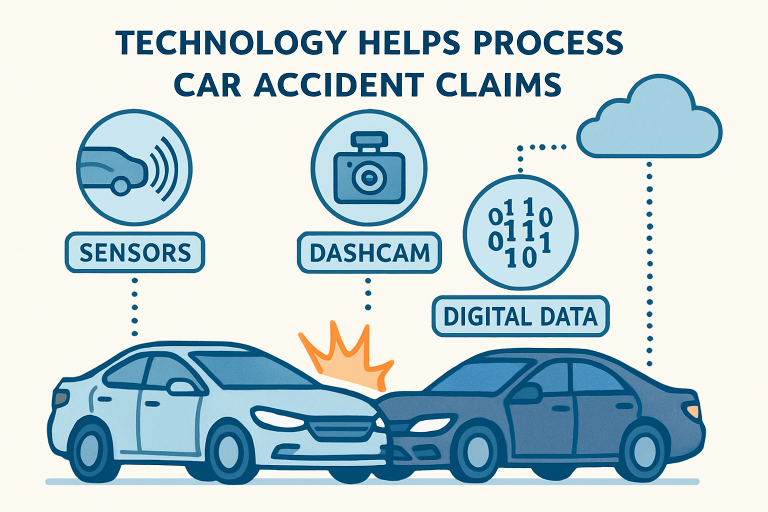
The rise of affordable, high-definition dashcams has empowered drivers to capture every moment of their commutes. In the event of a collision, dashcam recordings often provide clear, objective evidence showing traffic conditions, driver behavior, and specific details leading up to the accident. Not only do insurance carriers utilize dashcam video to streamline claims reviews, but courts are also increasingly receptive to this footage when adjudicating disputed cases or addressing concerns about fraud.
Gathering reliable, timestamped video can clarify conflicting accounts or support an innocent driver’s version of events. For more perspective on the growing use of dashcam evidence in legal proceedings, visit this New York Times feature on dashcams as courtroom evidence.
Telematics and Real-Time Data
Modern vehicles—especially those connected to insurance telematics programs—collect and transmit a wealth of driving data. Information like speed, location, acceleration, and hard braking events is recorded via sensors and shared with insurers. This data is instrumental in more accurately determining fault and liability after an accident, and it enables insurance companies to offer tailored rates based on individual risk profiles.
Telematics also provides policyholders with greater transparency, enabling them to improve their driving habits and potentially lower their premiums. In contentious cases or severe crashes, granular telematics data can undo false narratives and ensure claims are handled fairly. To learn more about the implications for insurance professionals, see this Claims Journal article on smart cars and insurance claims.
Autonomous Vehicles and Liability Shifts
The path toward fully autonomous vehicles is bringing unprecedented change to car accident liability rules. When a self-driving car is involved in a collision, one of the most pressing questions becomes: who is ultimately responsible? Legal frameworks are evolving as claims increasingly involve software errors, connectivity failures, or complex interactions between machines and human oversight.
In many instances, liability may transition away from individual drivers toward vehicle manufacturers or technology developers, highlighting the need for ongoing updates in auto insurance products, claim handling, and accident investigation protocols. Understanding these changes is vital for drivers, legal professionals, and anyone involved in the auto insurance industry.
Challenges and Considerations
While the integration of emerging technology streamlines claims processes and makes roads safer, it also introduces a new set of concerns. Vehicle repairs are more expensive due to the high cost of components and sensors; at the same time, the extensive use of digital data in claims investigations introduces new privacy and cybersecurity issues. Insurers must work to keep sensitive driver data secure, while policymakers are tasked with enacting regulations that protect consumers and foster fair outcomes.
Conclusion
As cars become more innovative and insurance systems more tech-savvy, all stakeholders—from drivers and legal experts to insurers and lawmakers—must keep pace with the changes. Advanced safety features, instantaneous access to evidence, real-time behavioral data, and automated claims handling collectively promise a future of safer roads and more efficient claims processes. Yet, realizing these benefits fully will require vigilance in addressing new challenges surrounding cost, complexity, and privacy in the digital age.