
Key Takeaways
- Dental implants provide a long-lasting, natural-looking solution for tooth loss.
- The procedure involves several steps, from consultation through final crown placement.
- Not everyone is an ideal candidate; good health and sufficient bone are crucial.
- Proper aftercare is essential for ensuring the longevity and success of dental implants.
Introduction to Dental Implants
For people who have lost teeth due to injury, decay, or disease, dental implants offer one of the most advanced solutions available today. Unlike traditional bridges or dentures, implants are designed to blend seamlessly with your natural smile. If you’re considering your options for tooth replacement, procedures like dental implant surgery Coventry, RI provide a permanent and aesthetically pleasing choice for restoring oral function and appearance.
Dental implants have revolutionized the field of restorative dentistry, enabling individuals to experience the full functionality of natural teeth with the security and comfort of a fixed solution. Understanding how dental implants work and what you can expect from the process is essential to making an informed decision.
Implants aren’t just for appearance—they help maintain the strength of your jawbone and prevent the drifting of other teeth after a loss. If you neglect to replace a missing tooth, you could experience bone loss and changes in your facial structure over time, underlining the importance of choosing the right tooth replacement option.
For individuals who value comfort, stability, and a smile that feels as good as it looks, dental implants are a superior choice. Treated and cared for appropriately, implants are the closest thing to having your natural teeth back.
What Are Dental Implants?
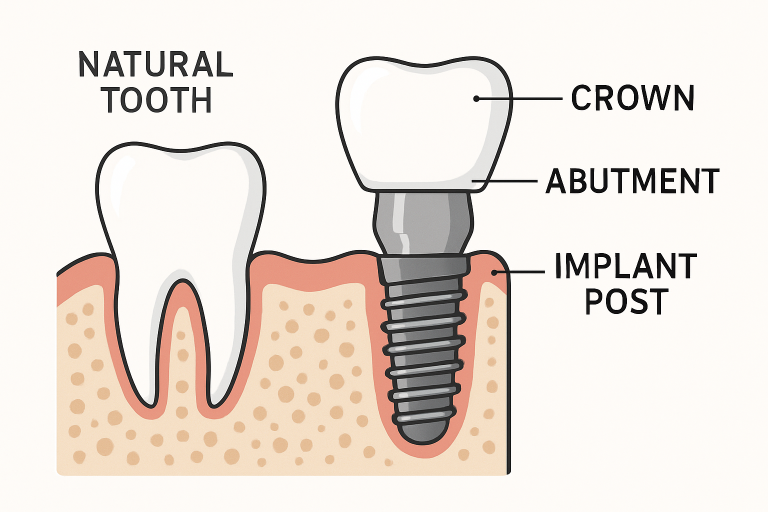
Dental implants are small titanium posts surgically embedded into the jawbone where natural teeth are missing. These posts act as artificial roots and serve as a foundation for attaching replacement crowns, bridges, or even implant-supported dentures. Through a biological process called osseointegration, the titanium post fuses with your bone over several months, ensuring long-term stability for the restoration. Each implant is custom-planned and precisely placed, providing a personalized solution tailored to the patient’s dental needs.
Benefits of Dental Implants
Dental implants have several distinct advantages over alternative tooth replacement methods:
- Natural Look and Feel: Implants mimic the function and appearance of your own teeth, making them virtually indistinguishable from the real thing.
- Enhanced Speech: With implants secured in place, there’s no risk of slippage, which can affect clarity when using traditional dentures.
- Dietary Freedom: Dental implants restore full biting strength, letting you eat favorite foods confidently, from crunchy vegetables to chewy steak.
- Durability: Designed to last decades with proper care, implants often outlast bridges and dentures many times over.
- Prevention of Bone Loss: By stimulating the jawbone, implants help prevent the deterioration that follows tooth loss.
The Dental Implant Procedure
Having a dental implant placed is a multi-step process involving:
- Initial Consultation: A thorough examination, including X-rays or scans, is performed to assess oral health and bone structure.
- Implant Placement: The dentist surgically inserts the titanium post into the missing tooth’s socket under local anesthesia.
- Healing Period: Over several weeks to months, the jawbone fuses to the implant in a process called osseointegration.
- Abutment Placement: A small connector called an abutment is attached to the post, serving as an anchor for the new tooth.
- Artificial Tooth Placement: Finally, a custom-crafted crown or bridge is affixed to the abutment, restoring both form and function.
In situations involving significant bone loss, additional procedures such as bone grafting may be recommended. The process will be tailored to the patient’s individual needs to ensure the best results.
Who Is a Candidate for Dental Implants?
Most healthy adults with missing teeth are suitable candidates for dental implants. Key requirements include:
- Overall Health: Patients should have no medical conditions—such as uncontrolled diabetes—that could interfere with healing.
- Sufficient Bone Density: Adequate jawbone mass is needed for implant support. Bone grafts may be used when necessary.
- Healthy Gums: Periodontal disease should be managed before placement for optimal outcomes.
- Commitment to Oral Hygiene: Long-term implant success depends on ongoing dental care and regular check-ups.
Age is not usually a limiting factor; both younger adults (once bone growth is complete) and seniors can benefit from dental implants. Only a dental professional can determine if implants are right for your unique circumstances.
Types of Dental Implants
Several styles of implants address a range of dental needs:
- Endosteal Implants: The most commonly used type, placed directly in the jawbone for single or multiple missing teeth.
- Subperiosteal Implants: Placed under the gum but above the jawbone, suitable for patients who do not have enough bone for traditional implants.
- All-on-4: An innovative method where a full arch of teeth is anchored by four strategically placed implants, ideal for extensive tooth loss.
The right option for you depends on your bone health, oral anatomy, and treatment goals. A comprehensive evaluation will help determine your best fit.
Aftercare and Maintenance
The longevity of dental implants relies on consistent aftercare and mindful habits:
- Good Oral Hygiene: Brush and floss daily, just like you would with natural teeth, to prevent gum disease and implant complications.
- Routine Dental Visits: Schedule regular check-ups for professional cleaning and monitoring.
- Avoid Bad Habits: Chewing hard candies, ice, or using your teeth as tools can damage both implants and natural teeth.
- Healthy Lifestyle Choices: Avoiding tobacco and managing chronic health conditions will support your oral and overall health.
In rare cases, complications such as infection or implant failure can occur, highlighting the importance of follow-up care and open communication with your dentist.
Final Thoughts
Dental implants are a remarkable advancement in modern dentistry, allowing patients to regain confidence, function, and a beautiful smile. With the right planning, procedure, and aftercare, dental implants can last a lifetime, improving not just oral health but also quality of life. If you are considering tooth replacement, schedule a consultation with a trusted dental implant provider to start your journey toward a revitalized smile.