
Table of Contents
- Myth 1: Home Insurance Covers All Natural Disasters
- Myth 2: Home Insurance Is Legally Required
- Myth 3: Flood Damage Is Covered Under Standard Policies
- Myth 4: Home Insurance Automatically Covers All Personal Belongings
- Myth 5: Older, Cheaper Homes Have Lower Insurance Premiums
- Myth 6: External Home Fixtures Don’t Affect Insurance Rates
- Myth 7: Home Insurance Covers Sewer Backup
- Myth 8: Home Insurance Covers All Types of Water Damage
Home insurance is essential for safeguarding your property, finances, and peace of mind, but persistent myths can leave homeowners with unexpected gaps in coverage. Making informed decisions starts with understanding the facts about your policy, including what’s covered and which risks require additional protection. Whether you’re securing your first plan or reviewing your current policy, separating fact from fiction is crucial for complete protection. For those exploring coverage options, Home Insurance in Charlotte can help you find the right plan for your needs.
Believing common misconceptions may put your home, assets, or even your financial future at risk. This article dispels the most common myths about home insurance, helping you avoid costly surprises and make informed choices.
Just as with your home, ensuring you have the right coverage for your other personal assets is essential. If you also drive, reviewing your Auto Insurance can help fill in liability or damage protection gaps you might not realize exist.
Myth 1: Home Insurance Covers All Natural Disasters
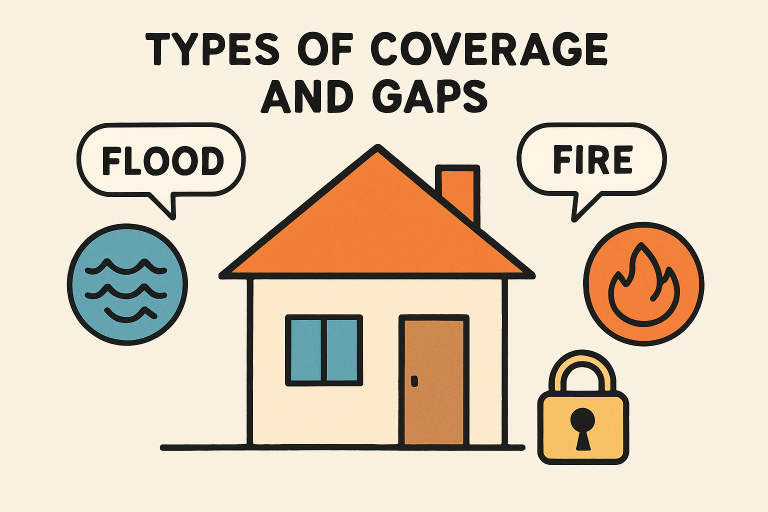
A common misconception among homeowners is that their policy will safeguard them from every natural disaster. In reality, most standard home insurance policies typically exclude coverage for events such as floods and earthquakes. For example, flood damage must be covered by a separate flood insurance policy, as made evident by FEMA. Earthquake protection typically requires the purchase of a specialized endorsement or an entirely separate policy. It’s essential to carefully review your policy to understand which natural events are excluded and to consider purchasing additional policies if you live in a region prone to such disasters.
Myth 2: Home Insurance Is Legally Required
Many people believe that home insurance is required by law. Unlike auto insurance, no state requires homeowners to maintain property insurance. However, if you have a mortgage, your lender will almost always require you to carry insurance to protect their financial interest in the property. If you own your home outright, you’re not legally compelled to have insurance; however, forgoing it leaves you exposed to significant loss from fire, theft, or other types of damage. For more context, Reuters discusses the risks associated with being uninsured.
Myth 3: Flood Damage Is Covered Under Standard Policies
Flooding can be devastating, but standard home insurance policies do not cover flood damage, regardless of how the water enters your home. Homeowners must purchase a separate policy through the National Flood Insurance Program or a private insurer to be protected from losses resulting from flooding. This misunderstanding is especially critical for those living in flood-prone areas where the risk of flooding is high, and damages can be financially crippling.
Myth 4: Home Insurance Automatically Covers All Personal Belongings
Your home insurance policy does provide coverage for personal belongings; however, there are limits, particularly for high-value items such as jewelry, art, or electronics. Most policies set specific dollar limits on certain categories, which means you may not be fully reimbursed for luxury items unless you add “scheduled personal property” endorsements or separate riders. Reviewing your coverage and considering a detailed home inventory can ensure you’re adequately protected and avoid disputes at claim time.
Myth 5: Older, Cheaper Homes Have Lower Insurance Premiums
It’s tempting to believe that a less expensive or older home costs less to insure; however, these properties often have outdated electrical systems, old plumbing, or aging roofs—all factors that increase risk from the insurer’s perspective. Repairs and upgrades for older materials can also increase claims costs, often resulting in higher premiums compared to newer homes built to modern safety standards.
Myth 6: External Home Fixtures Don’t Affect Insurance Rates
Features like swimming pools, trampolines, or elaborate landscaping might enhance your property, but they also introduce additional risk. Insurance companies often consider these fixtures when calculating premiums, as they can lead to costly liability claims or increase the likelihood of property damage. Reporting any external fixtures to your insurer helps maintain accurate coverage and avoid problems if an accident occurs.
Myth 7: Home Insurance Covers Sewer Backup
Sewer backups are not covered by default in most standard home insurance policies. This type of damage typically requires an additional endorsement to your existing policy for coverage. Without this specific addition, homeowners could be liable for significant repair and cleanup costs in the event of a backup. As U.S. News notes, adding this endorsement is often a wise investment, especially in areas with aging infrastructure.
Myth 8: Home Insurance Covers All Types of Water Damage
Not all water damage is treated equally under home insurance. While most policies will cover water damage from sudden, accidental events, such as a burst pipe, gradual damage, including seepage, long-term leaks, or mold, often falls outside standard coverage. Clarifying which water-related risks your policy covers—and which require routine maintenance or special endorsements—provides peace of mind when water damage happens.
Conclusion
Avoiding these myths and reviewing your home insurance policy regularly helps ensure you’re truly protected. Taking a proactive approach by discussing your coverage with an experienced insurance agent can identify and close potential gaps—before disaster strikes.