
Key Takeaways:
- Early positive relationships are crucial for children’s lifelong learning and behavior.
- Parental involvement and structured programs can significantly enhance children’s social-emotional development.
- Consistent positive reinforcement and supportive environments foster better behavioral outcomes.
Table of Contents:
- Importance of Early Positive Relationships
- Role of Parents in Behavioral Development
- Structured Programs and Their Impact
- Positive Reinforcement Techniques
- Creating Supportive Environments
- Long-Term Benefits of Early Intervention
- Challenges and Solutions in Behavioral Guidance
- Conclusion
Supporting healthy behavior in children begins long before challenges arise. Early experiences, relationships, and environments all shape how young people understand emotions, follow rules, and interact with others. When caregivers and educators focus on consistency, empathy, and clear expectations, children are more likely to feel secure and understood. These early frameworks help them develop self-regulation, problem-solving skills, and respect for boundaries, which are essential for navigating social settings at home, in school, and within the community.
Establishing these patterns requires patience and awareness rather than rigid control. Simple practices such as modeling respectful communication, acknowledging effort, and responding calmly to misbehavior can make a lasting difference over time. It is also essential to recognize that every child develops at a different pace and may need varying levels of guidance and support. By staying informed and open to evidence-based approaches, families and professionals can learn more about strategies that foster resilience, cooperation, and emotional growth, ultimately helping children develop skills that support positive behavior throughout adolescence and adulthood.
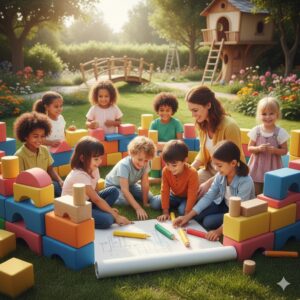
Importance of Early Positive Relationships
Forming positive relationships between children and their caregivers from a young age is a cornerstone for nurturing a healthy foundation in lifelong learning and behavioral growth. Children who receive sensitive and responsive care develop vital emotional bonds, which fuel their sense of security and encourage exploration and open communication. Such early, trusting relationships not only boost children’s confidence but are also strongly linked with improved social competence, emotional regulation, and fewer behavioral challenges as they grow.
Through everyday engagement—such as smiling, listening, and responding with warmth—adults help children navigate their environment with confidence. Stable relationships act as an anchor point, empowering children to manage stress and build meaningful connections with their peers.
Role of Parents in Behavioral Development
Parents act as the initial role models and guides in their children’s behavioral journeys. Consistent, positive interaction—such as modeling calm responses during stressful moments or encouraging good manners through gentle reminders—lays the groundwork for the behavior children will exhibit in wider social settings. When children observe adults managing emotions and resolving conflicts respectfully, they imitate these behaviors in their own interactions.
Teamwork between parents and educators also plays a vital role. By maintaining open lines of communication and consistently reinforcing expectations at home and school, children experience clarity and stability, which are crucial for understanding boundaries and developing self-discipline.
When families utilize community resources, attend workshops, and take an active role in supporting emotional development, they foster resilience and social skills that benefit their children well beyond the formative years.
Structured Programs and Their Impact
Structured, evidence-based programs have demonstrated significant effects on children’s social-emotional development. Programs like Family Foundations equip new parents with practical strategies for effective communication, teamwork, and positive discipline. Such initiatives go beyond simple rule-following, teaching parents and caregivers how to create nurturing, intentional routines that foster healthy development.
Numerous studies have revealed that children whose caregivers participate in structured social-emotional programs exhibit greater empathy, enhanced cooperation with peers, and fewer behavioral disruptions in classroom settings.
Positive Reinforcement Techniques
One of the most effective behavioral guidance tools is positive reinforcement, which involves focusing on and encouraging desired behaviors through specific feedback, praise, and rewards. Children are more likely to repeat behaviors that receive positive attention. For instance, acknowledging a child for sharing toys with a sibling—rather than focusing on moments of conflict—teaches them that kindness and cooperation are valued.
Research indicates that children who are frequently praised for their effort, perseverance, and respectful behavior exhibit greater emotional resilience and lower rates of behavioral problems throughout early elementary school. Using specific language is crucial; saying, “I noticed you put your toys away without being asked—great job!” is much more helpful than a generic “good job.” Regular, consistent reinforcement creates a feedback loop, further motivating positive actions.
Creating Supportive Environments
Environments greatly influence children’s behavior. By designing home and classroom spaces with clear routines, predictable rules, and nurturing interactions, adults help children feel safe and understood. Supportive environments include setting realistic expectations, providing timely guidance, and ensuring every child feels respected and valued for their unique strengths.
Professional development workshops and organizational partnerships equip educators with actionable strategies to create these positive climates. When environments are predictable yet flexible, children can thrive academically and socially, better managing stress and transitions.
Long-Term Benefits of Early Intervention
Intervening early in social-emotional and behavioral development yields measurable, long-lasting benefits. Studies indicate that preschool and early childhood programs prioritizing social-emotional skills contribute to improved academic performance, higher graduation rates, and reduced behavioral problems in adolescence.
These positive outcomes not only impact individual children and their families but also strengthen communities by reducing the need for intervention services and improving educational environments for everyone.
Challenges and Solutions in Behavioral Guidance
Guiding children’s behavior presents challenges, especially in diverse settings with varying needs. Children express themselves differently, and what works for one child might not work for another. Additionally, transitions, trauma, or changes in routine can trigger unexpected behaviors.
Strengths-Based Approaches
Adopting a strengths-based approach—identifying and building upon what children do well—can shift the focus away from correcting negatives and instead reinforce positive traits and abilities. Models such as the Pyramid Model provide frameworks for schools and families to address challenging behaviors with empathy, structure, and consistency.
Resources and coaching can empower educators and parents to develop personalized strategies for individual children, taking into account cultural differences and developmental needs. When everyone involved employs a consistent, supportive approach, progress becomes much more attainable, even in the face of obstacles.
Conclusion
Building strong foundations for positive behavior in children requires a proactive, collaborative, and well-rounded approach. Through nurturing early relationships, active parental participation, engagement in structured programs, the use of effective reinforcement techniques, and the cultivation of supportive environments, families and educators can empower children for lifelong success. Investing in these strategies early produces benefits that extend from individual well-being to healthier, more resilient communities.


